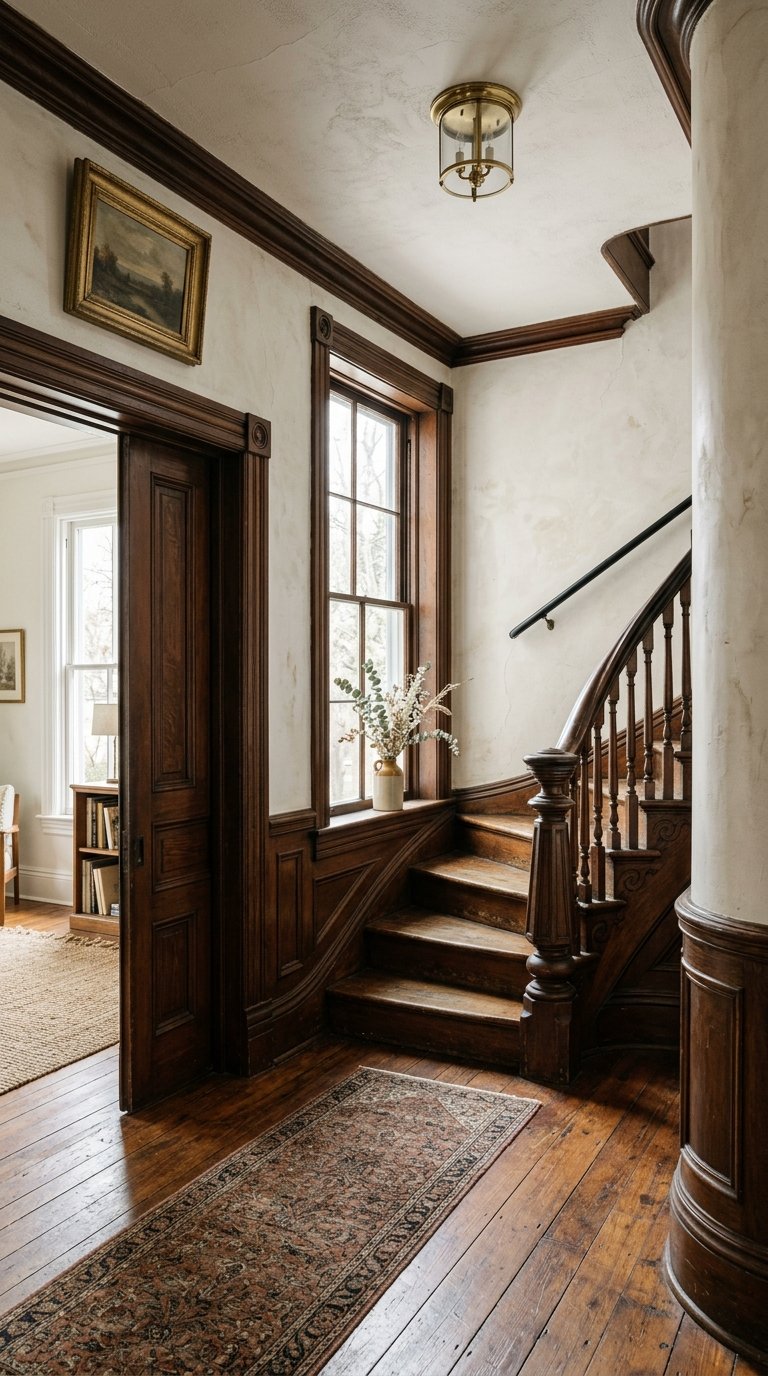
Dreaming about a historic home near Pearl Street? It is easy to picture the charm first and the paperwork second. If you are considering buying in Downtown Boulder, you need to know how historic designation, inspections, renovation rules, and timelines can affect your plans. Here is what to look for before you make an offer. Let’s dive in.
What historic status means in Downtown Boulder
Downtown Boulder includes a locally designated historic district that is also listed on the National Register. The Downtown Historic District, designated in 1999, is generally bounded by Walnut, Spruce, 10th, and 16th streets, with Pearl Street Mall inside the district. The city describes it as the largest and most architecturally significant group of commercial buildings in Boulder.
For buyers, the key point is simple: historic status in Boulder is based on designation, not just age. A home that looks old or sits near Pearl Street is not automatically protected, and a newer-looking property may still fall within a district or interface area. Before you assume anything, check the city’s historic property search and district map.
Boulder has more than 1,300 designated historic properties, including more than 200 individual landmarks and 10 historic districts. The city also notes that historic districts include more than buildings alone. Streetscape, open space, and the setting between structures can all be part of the historic resource.
Why designation matters before you buy
If a property is individually landmarked or located within a historic district, exterior changes require a Landmark Alteration Certificate, often called an LAC, before you apply for permits. That can affect everything from your timeline to your renovation budget. It is one of the biggest differences between buying a historic home and buying a similar property outside a designated area.
This review is not limited to major additions. Boulder’s guidance lists reroofing, repainting, mechanical equipment, fences, additions, and solar panels as common examples of work that may need LAC review. Landscaping by itself is treated differently, but paving, hardscaping, and removal of mature trees still require review.
That means your future plans matter just as much as the home’s current condition. If you want to change windows, add outdoor equipment, rework a porch, or alter exterior materials, it is smart to understand the review process before you close.
How Boulder reviews exterior changes
Boulder uses a character-based standard for historic review. The city wants proposed work to preserve, enhance, or restore exterior features and remain compatible with the landmark or district. In plain terms, the goal is to let properties adapt over time without losing the qualities that make them historically significant.
Application requirements vary by project scope. Common submittals include exterior photos, product cut sheets, a vicinity map, and a written statement. Larger projects may also need elevations, 3D renderings, and site plans.
Timelines are important here. The city says completeness checks usually happen within 5 to 7 days, staff or Landmarks Design Review Committee review takes about three weeks after an application is complete, and Landmarks Board review can take 6 weeks to 3 months. Once approved, an LAC is valid for one year.
What to inspect in an older Downtown Boulder home
Historic homes often win buyers over with detail, materials, and character you do not see in newer construction. Still, the most important issues are usually practical. Moisture is often the first thing to investigate.
Pay close attention to the building envelope. That includes the roof, gutters, flashing, masonry, windows, doors, and anywhere water may enter. Preservation guidance notes that moisture problems in older masonry are often caused by leaks, open joints, missing mortar, clogged gutters, or drainage issues rather than the masonry alone.
Basements and foundations also deserve a close look. Faulty roofs, deteriorated downspouts, cracks in walls, and moisture around windows and doors can all contribute to long-term deterioration. A thorough inspection should help you understand both current conditions and where future maintenance may be needed.
Windows, doors, and energy performance
Many buyers assume older windows always need full replacement. That is not necessarily true in a historic home. Preservation guidance says historic windows and doors can often be repaired or upgraded, and Boulder notes that appropriate historic window rehabilitation can achieve energy performance comparable to new Energy Star-rated windows.
That matters for both budget and review. If you are buying a downtown historic property, repair may be a more practical path than replacement, especially if you want to preserve original character and avoid unnecessary approval issues.
Lead, asbestos, and renovation risk
If the home was built before 1978, lead-based paint should be on your radar. EPA guidance says pre-1978 homes are more likely to contain lead-based paint, and deteriorating paint or renovation work can create hazardous lead dust. If you plan updates soon after closing, this is worth evaluating early.
Asbestos is another issue to approach carefully. Suspect materials cannot be confirmed by sight alone, and sampling should be handled by a properly trained, accredited inspector when materials are damaged or when planned work could disturb them. This is especially relevant if you are considering remodeling kitchens, baths, insulation, flooring, or mechanical systems.
Permit planning in Boulder
Even when work seems minor, permit planning should start early. Boulder notes that some work may be permit-exempt, but it still must meet all applicable code requirements. In a historic district or on a landmarked property, additional historic approvals may still be required.
The city flags roofing, siding, plumbing, mechanical, and electrical work as common permit categories. For a buyer, the takeaway is clear: if you expect to make updates after purchase, line up a local contractor and inspector who understand Boulder’s process well before construction begins.
Renovation tradeoffs to expect
Owning a historic home in Downtown Boulder can be rewarding, but it usually comes with more review for visible exterior changes. Compared with newer homes, the biggest tradeoff is often the amount of documentation and approval required before work starts. Even projects like porches, dormers, additions, and solar panels may need detailed drawings.
That does not mean renovation is off the table. Boulder’s ordinance is intended to let historic buildings and neighborhoods adapt over time while protecting historic character. The better your planning, the smoother that process tends to be.
A good pre-purchase strategy is to separate your wish list into two groups:
- Immediate repairs you may need to address soon after closing
- Future improvements that could require city review, design work, or longer lead times
This helps you evaluate whether the home fits your timeline, your budget, and your comfort level with a more structured renovation process.
Historic tax credits and incentives
Tax incentives can be part of the conversation, but they need careful verification. The federal historic rehabilitation credit is a 20% credit for certified historic structures used for income-producing purposes, and owner-occupied residential properties do not qualify.
Colorado separately administers a Preservation of Historic Structures credit. According to the 2024 bill summary, the credit now applies to qualifying commercial or residential structures that are at least 30 years old and extends through tax years beginning before January 1, 2037. Because eligibility is project-specific, you should confirm the details with the state and a CPA before counting on any credit in your budget.
Smart steps before making an offer
If you are serious about buying a historic home in Downtown Boulder, a little upfront research can save time and stress later. Focus on the basics first, then work outward into your renovation plans and long-term goals.
Here is a smart buyer checklist:
- Verify whether the property is individually landmarked or located in a historic district
- Confirm the year built using Boulder County records or local history resources if needed
- Review any exterior changes you hope to make after purchase
- Ask inspectors to pay special attention to moisture, drainage, rooflines, masonry, windows, and foundations
- Consider testing or evaluation for lead-based paint and asbestos where appropriate
- Build extra time into your renovation timeline for historic review and permitting
- Confirm any potential tax-credit eligibility before relying on it financially
Buying a historic property downtown is often about balancing charm with preparation. When you understand the rules, condition issues, and timelines ahead of time, you can make a more confident decision and avoid surprises after closing.
If you want help evaluating historic homes for sale in Boulder, neighborhood by neighborhood, Sara Vaughn offers the kind of responsive, high-touch guidance that makes complex decisions feel far more manageable.
FAQs
How do you know if a Downtown Boulder home is officially historic?
- In Boulder, historic status is based on designation rather than age alone, so you should verify whether the property is individually landmarked or inside a historic district using the city’s property search and district map.
What changes require approval for a historic home in Downtown Boulder?
- If the property is landmarked or in a historic district, exterior changes such as reroofing, repainting, fences, additions, solar panels, some paving and hardscaping, and removal of mature trees may require a Landmark Alteration Certificate before permit application.
How long does Boulder historic review usually take?
- Boulder says completeness checks usually take 5 to 7 days, staff or LDRC review takes about three weeks after a complete application, and Landmarks Board review can take 6 weeks to 3 months.
What should you inspect first in an older historic home in Boulder?
- The biggest priorities are usually moisture and the building envelope, including roofs, gutters, flashing, masonry, windows, doors, and foundation or basement conditions.
Do old windows in a Boulder historic home always need replacement?
- No, historic windows and doors can often be repaired or upgraded, and Boulder says appropriate historic window rehabilitation can provide energy performance comparable to new Energy Star-rated windows.
Can you get tax credits for buying a historic home in Boulder?
- Possibly, but eligibility depends on the project and property type, so you should confirm any federal or Colorado historic tax-credit opportunities with the relevant state program and a CPA before relying on them.