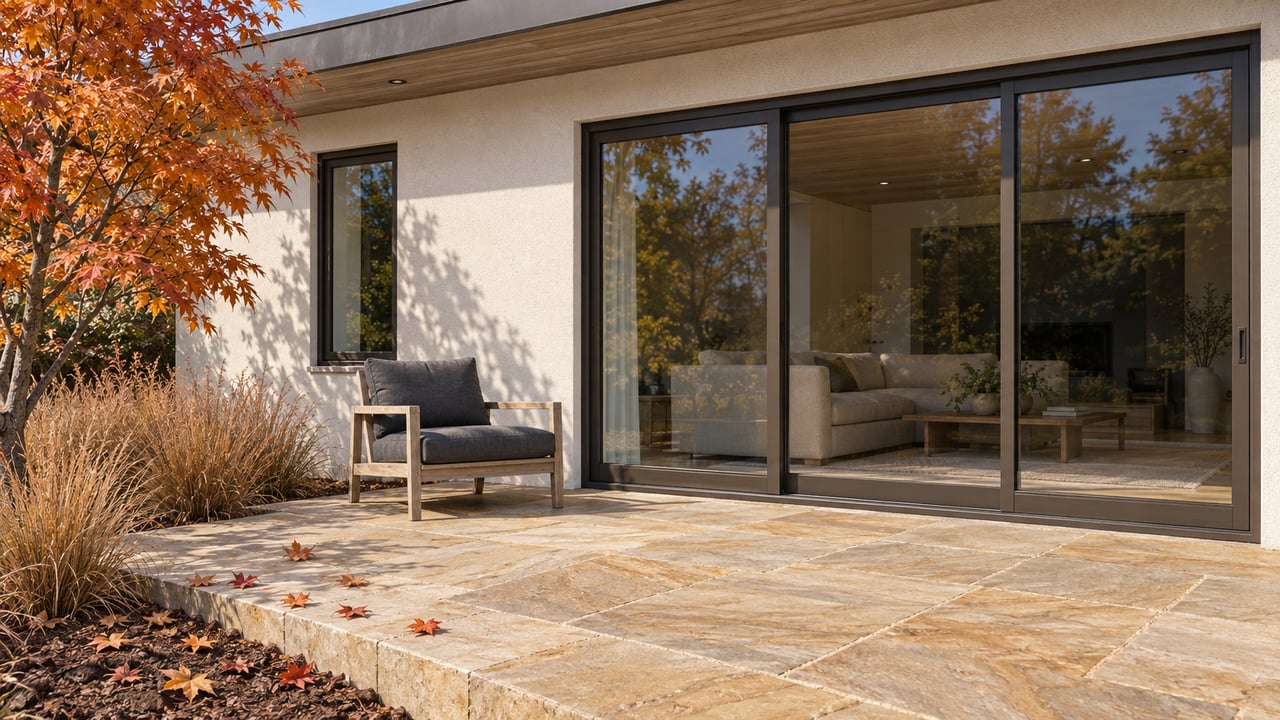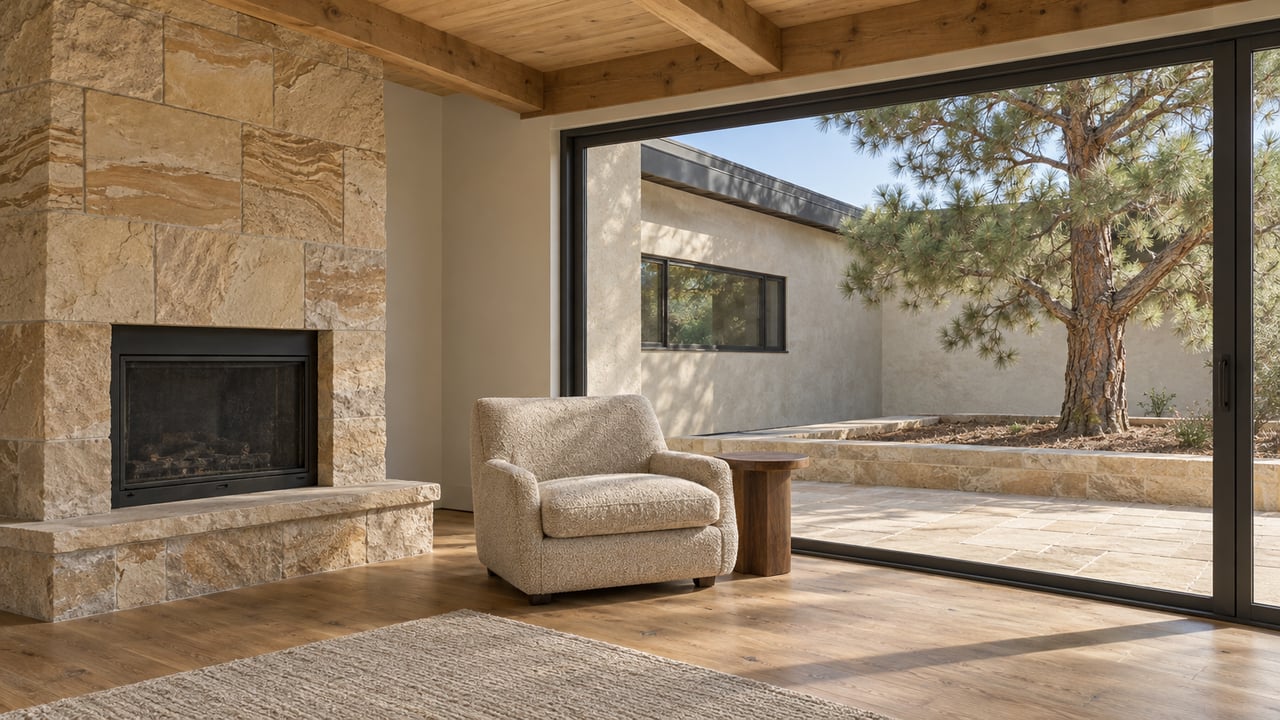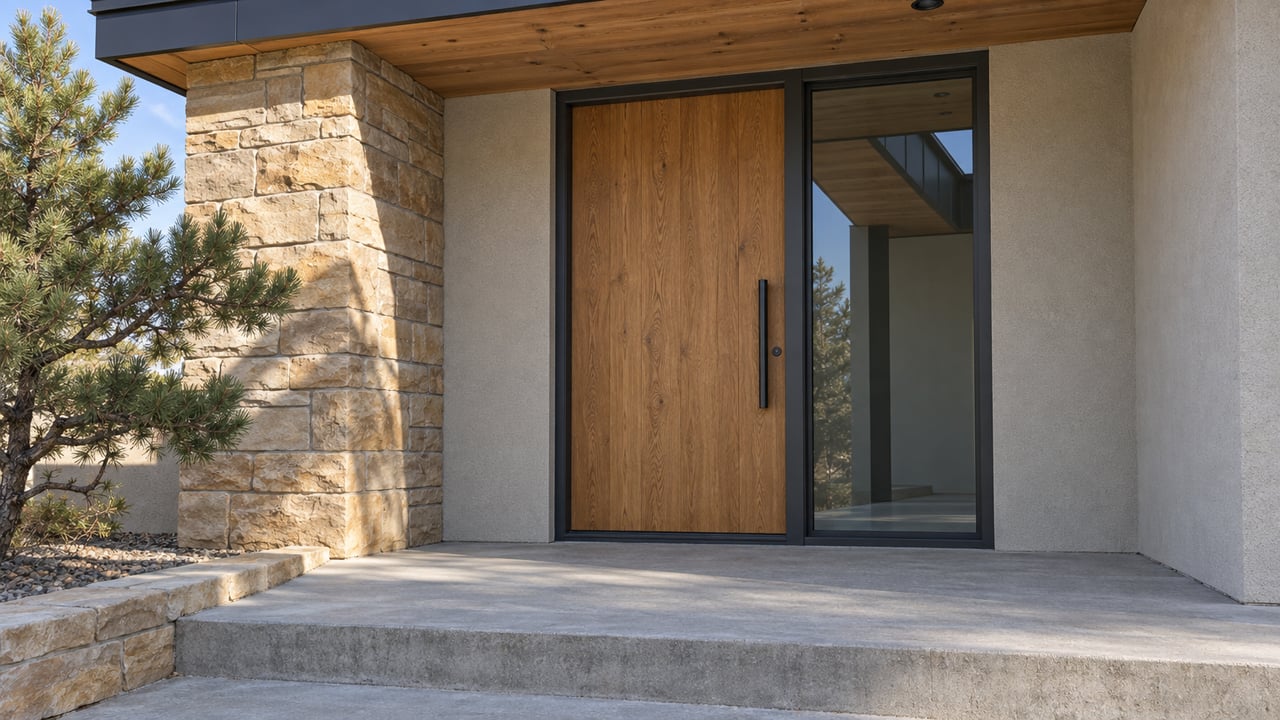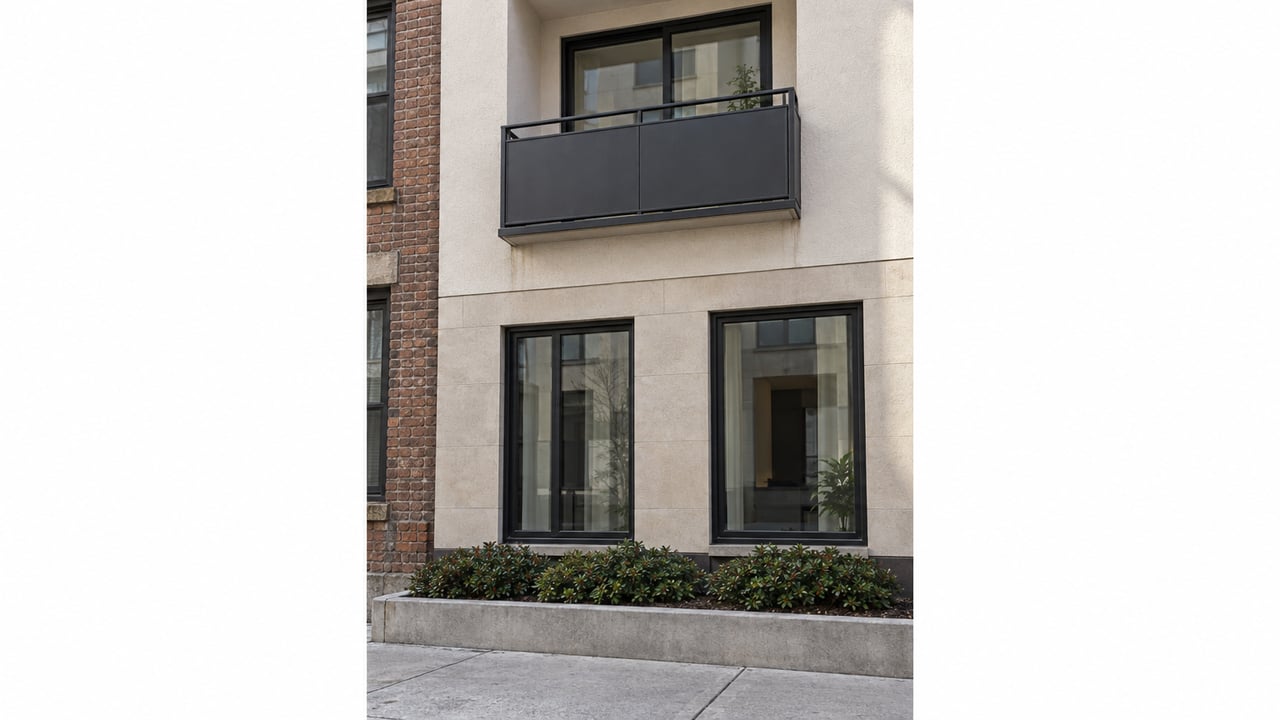
Trying to choose between Old Town Lafayette and one of Lafayette’s newer neighborhoods? You are not alone. Many buyers love Old Town’s character and central feel, while others want a more predictable layout, newer systems, and shared amenities. The good news is that Lafayette offers both, and each option fits a different kind of daily life. This guide will help you compare the tradeoffs so you can tour with more clarity. Let’s dive in.
What makes Old Town Lafayette different?
Old Town Lafayette is the city’s historic core and preservation focus. Lafayette created its historic preservation program in 1999, adopted a Historic Preservation Plan in 2020, and now uses the Old Town Tomorrow Action Plan to help guide downtown redevelopment.
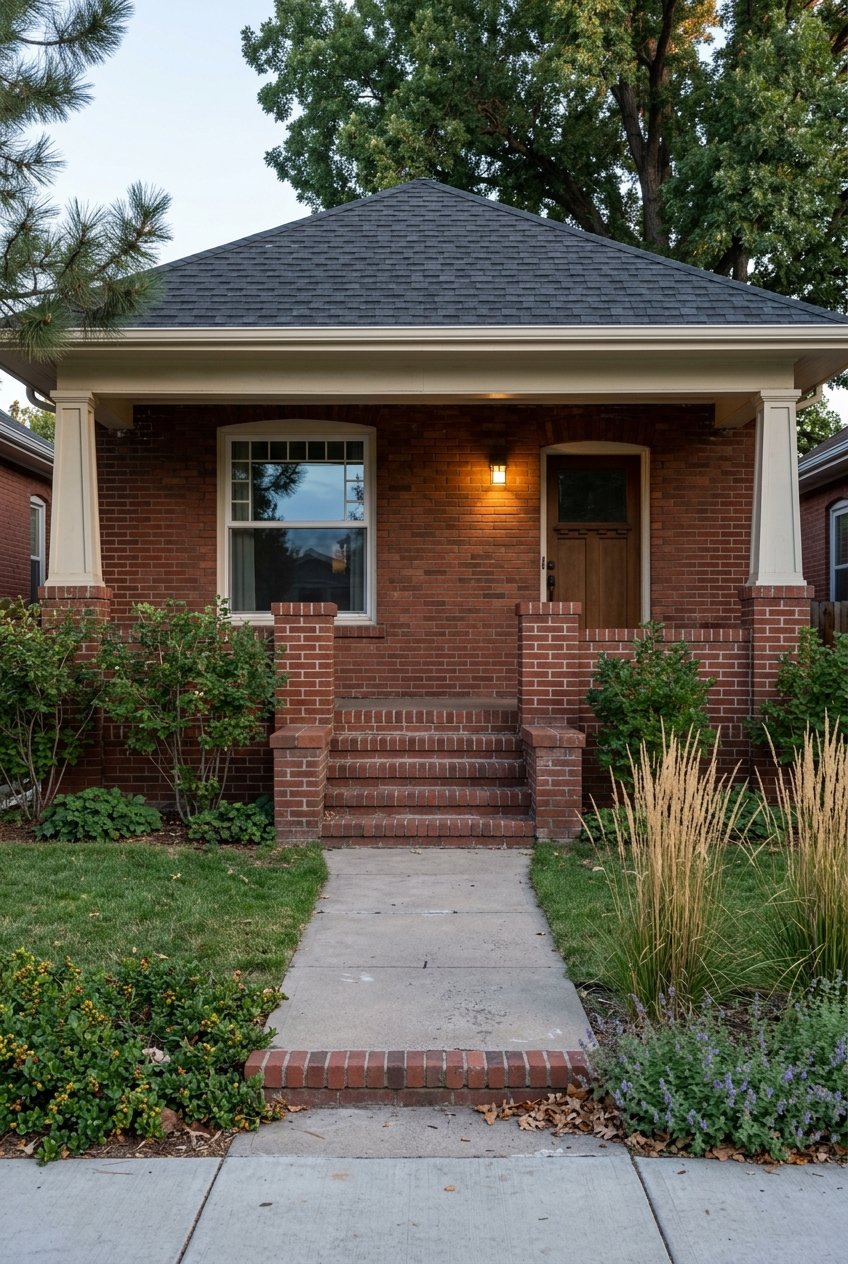
That historic identity shapes the area, but Old Town is not a museum piece. City survey work in the core area around Public Road, Baseline, and Cleveland found a mix of early-1900s cottages, wood-frame hipped boxes, merchant residences, miners’ boarding houses, and later infill from the 1940s through the 1970s.
That mix matters when you shop for a home. You may find charm, mature trees, and smaller-scale homes, but you may also see real variation in updates, layout, and condition from one block to the next.
Old Town has character, but also more nuance
One helpful detail from the city’s historic survey is that less than 40 percent of the surveyed sites met the criteria for a cohesive historic district. In plain terms, that means Old Town has a historic feel, but the housing stock is not all the same and not every home has the same preservation context.
If you are drawn to older homes, that can be part of the appeal. You get personality and variety, but you also need to look closely at each property instead of assuming every home in the area works the same way.
Exterior projects may need more planning
Because Old Town has an older building fabric, Lafayette uses separate tools for additions and exterior work there. The city directs owners to an Old Town design resource book and a separate permit checklist for Old Town residential projects.
Lafayette also offers a Property Restoration Grant for buildings that are 50 years old or older. For buyers, that is a practical sign that owning in Old Town can involve more renovation planning and more attention to exterior changes than buying in a newer subdivision.
What defines newer Lafayette neighborhoods?
Many newer Lafayette neighborhoods were developed as planned unit developments, or PUDs. The city says PUDs are meant to allow more flexible building placement, a mix of land uses, open areas, and more imaginative design.
In practice, that often means a more coordinated neighborhood layout. It can also mean community amenities and a stronger homeowners association role in maintaining open areas and similar shared responsibilities.
Newer areas often emphasize shared spaces
Lafayette’s planning materials for PUDs explicitly encourage community amenities, diversity of design, and strong homeowners associations to maintain open space and open areas. The city also notes that developments built since 1990 may have alternate setbacks.
That can create a more uniform neighborhood feel than you may find in Old Town. For some buyers, that predictability is a major plus, especially if you want a home that feels more turnkey or easier to compare from one listing to the next.
HOA responsibilities are part of the picture
Representative subdivisions show how this can work on the ground. Trails at Coal Creek was approved as a 317-home subdivision with more than 20 acres dedicated to city open space and more than 17 acres dedicated to the HOA for drainage and open common areas.
Willoughby Corner is a 24-acre neighborhood planned to include 400 permanently affordable homes, community gardens, a community building, a dog park, trails, and park space. These examples suggest that newer Lafayette neighborhoods often come with shared amenities and recurring HOA or common-area maintenance responsibilities.
Lifestyle matters as much as the house
When buyers compare Old Town Lafayette with newer neighborhoods, the biggest difference is often not the square footage. It is how you want your day to feel.
If you picture yourself walking to restaurants, browsing local shops, or spending time in the downtown core, Old Town may line up better with that vision. If you picture trail access, open space, and neighborhood-scale parks, a newer area may feel more natural.
Old Town centers around downtown convenience
The city describes Old Town as Lafayette’s shopping-and-dining district. It features boutiques, international restaurants, art galleries, events, and changing sights around every corner.
Festival Plaza adds a splash pad and space for picnics and concerts. If being close to downtown activity matters to you, Old Town offers a kind of convenience that newer neighborhoods may not replicate in the same way.
Newer neighborhoods often connect to parks and trails
Lafayette as a whole has a strong parks-and-trails network. According to the city’s 2026 recreation guide, Lafayette has 20 parks, more than 23 miles of soft-surface trails, and 1,617 acres of open space.
Waneka Lake Park includes 147 acres and a 1.2-mile fitness trail, and the Coal Creek and Rock Creek regional trail system connects neighborhoods and nearby communities. In many newer neighborhoods, access to trails, open space, and planned outdoor areas is a major part of the appeal.
How to decide which fit is better
You do not need to decide based on style alone. A better approach is to compare the kind of ownership experience you want.
Old Town usually makes the most sense if you want historic character, mature trees, and a more central downtown feel. Newer neighborhoods may fit better if you want a more predictable floor plan, newer systems, shared amenities, and the possibility of HOA-managed common areas.
Choose Old Town if you value these features
You may want to start in Old Town if these points matter most to you:
- A historic or older-home feel
- A central location near downtown Lafayette
- Mature streetscapes and varied architecture
- Willingness to plan carefully for renovations or exterior changes
- Comfort with block-by-block differences in condition and style
Choose newer neighborhoods if you value these features
You may want to focus on newer areas if these priorities sound more like you:
- More predictable layouts and home comparisons
- Newer construction patterns or systems
- Shared amenities such as trails, open space, or community gathering areas
- Clear HOA-managed responsibilities for common areas
- A neighborhood experience built around parks and outdoor access
Questions to ask before you tour
No matter which direction you lean, property-specific details still matter. Not every Old Town house is a landmark, and not every newer neighborhood has the same HOA terms.
Before touring homes in Lafayette, use these questions to stay focused:
- Is the property in the Old Town overlay or a historic-designated area?
- What exterior changes require city review?
- Is there an HOA, and what does it maintain?
- Are drainage areas or common spaces part of the HOA budget?
- How important is walkability to downtown compared with trail or open-space access?
These are practical questions because they map directly to Lafayette’s separate frameworks for Old Town properties and newer PUD-style neighborhoods.
A smart Lafayette home search starts with your routine
The best choice is the one that supports how you want to live day to day. If your ideal weekend starts with coffee and a walk through downtown, Old Town Lafayette may feel like home. If you want a neighborhood built around open space, trails, and shared amenities, a newer community may be the stronger match.
When you narrow your search around lifestyle first, the decision usually gets easier. If you want help comparing specific Lafayette neighborhoods, touring strategically, or weighing the tradeoffs between character and convenience, Sara Vaughn can help you create a plan that fits your goals.
FAQs
How is Old Town Lafayette different from newer Lafayette neighborhoods?
- Old Town Lafayette generally offers historic character, mixed older housing stock, and downtown access, while newer Lafayette neighborhoods more often offer planned layouts, shared amenities, open space, and HOA-managed common areas.
What should buyers know about renovating a home in Old Town Lafayette?
- Buyers should know that Lafayette uses separate resources and permit checklists for Old Town residential projects, so exterior work and additions may require more planning than they would in a newer neighborhood.
Do newer neighborhoods in Lafayette usually have HOAs?
- Many newer Lafayette neighborhoods are planned as PUDs, and the city’s framework for those communities often includes a strong homeowners association role for maintaining open space, drainage, and other common areas.
Is Old Town Lafayette a fully preserved historic district?
- Not entirely. The city’s historic survey found that less than 40 percent of surveyed sites met the criteria for a cohesive historic district, which means the area includes both historic homes and later infill.
What lifestyle differences should buyers consider in Lafayette, Colorado?
- Buyers should think about whether they want walkable access to Old Town’s shopping, dining, and events, or whether they prefer the parks, trails, and open-space access that often shape newer Lafayette neighborhoods.