If you are thinking about selling in Louisville, the difference between a smooth sale and a stale listing often comes down to preparation. In a market where some homes move quickly and others sit, buyers are paying close attention to condition, pricing, and presentation. The good news is that you do not need to guess what matters most. With the right plan, you can focus on the updates and marketing steps most likely to help your home stand out. Let’s dive in.
Louisville sellers need a smart plan
Louisville is holding up as a relatively firm market, but it is not so hot that you can skip the prep work. Zillow’s March 2026 local snapshot shows a median list price of $830,332, 58 active listings, and a median of 25 days to pending. Redfin’s February 2026 Louisville market data also shows a median sale price of $840,500, median days on market of 57, and a 98.2% sale-to-list ratio.
That tells you something important. Buyers are still active, but they are not blindly chasing every listing. In a balanced environment, strong presentation and realistic pricing can help you stay close to list price, while homes that feel dated, cluttered, or overpriced can lose momentum.
Why preparation matters in Louisville
Louisville buyers are not just shopping for square footage. They are also drawn to the setting, daily convenience, and access to local amenities. The city highlights Historic Downtown Louisville as an 8-block pedestrian-focused mixed-use center, and it notes the community has an interest in about 1,900 acres of open space and more than 32 miles of trails.
That lifestyle appeal shapes buyer expectations. People are often looking for homes that feel move-in ready and well cared for, especially in a city known for its Main Street, local businesses, and distinctive housing stock. When your home looks clean, bright, and easy to picture living in, you give buyers a faster path to saying yes.
Start with the highest-impact basics
The most valuable pre-sale work is often the least exciting. According to the National Association of Realtors 2025 staging report, the most common recommendations before listing are decluttering, whole-home cleaning, and improving curb appeal. That same body of research also notes that many buyers are less willing to compromise on a home’s condition.
Before you think about major upgrades, focus on the basics that affect every showing and every photo:
- Declutter countertops, shelves, closets, and storage areas
- Deep clean the entire home
- Touch up scuffed walls and trim
- Replace burned-out bulbs
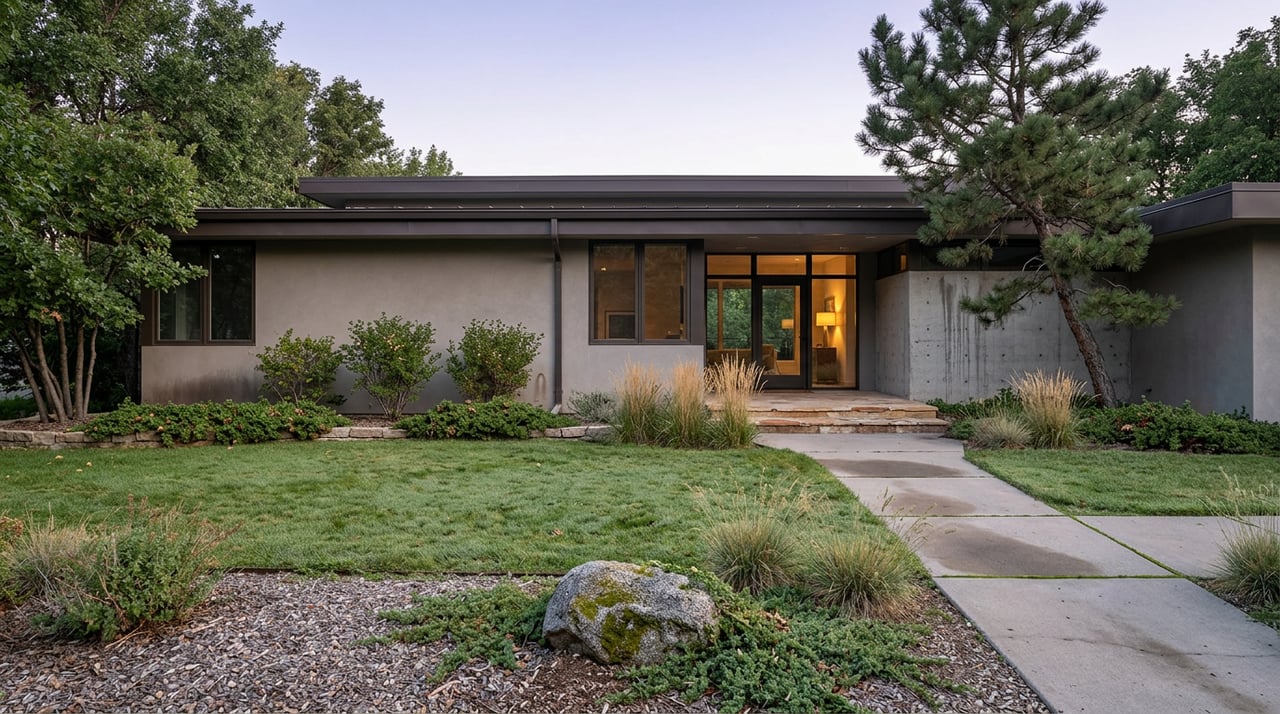
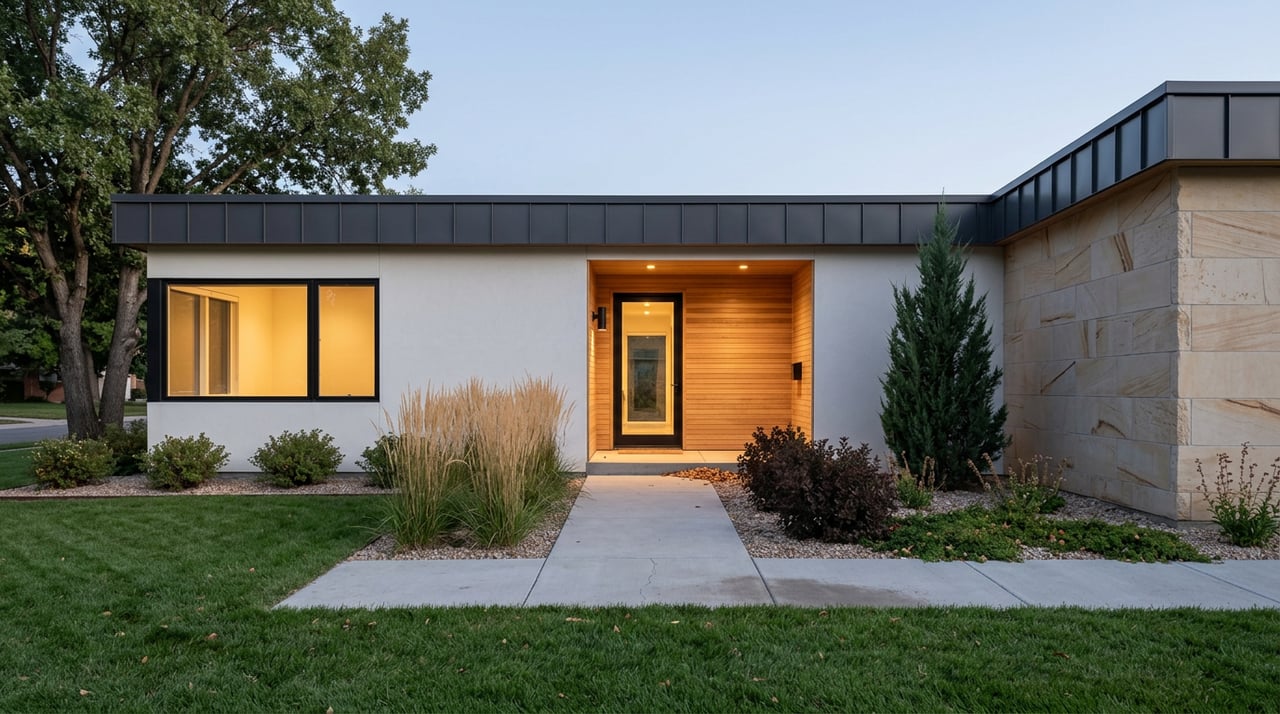
- Freshen up landscaping and the front entry
- Remove or store overly personal items
These steps are not flashy, but they help your home feel larger, cleaner, and easier to connect with online and in person.
Focus on updates with better resale value
Not every renovation pays off equally. The 2025 Zonda Cost vs. Value Report found that exterior projects often deliver stronger resale value than larger discretionary interior remodels. Top-performing projects included garage door replacement, steel door replacement, manufactured stone veneer, and fiber-cement siding replacement.
That aligns with the broader seller-prep guidance from NAR. Its remodeling report points to painting, roofing work, kitchen upgrades, and bathroom improvements as common recommendations before selling. If you are 6 to 12 months from listing, it often makes more sense to prioritize visible maintenance and selective improvements over a full-scale renovation.
Best prep projects to consider
If your budget is limited, start here:
- Exterior paint touch-ups or full repainting if needed
- Front door refresh or replacement
- Garage door improvement if it looks worn
- Roof, gutter, or siding repairs
- Minor kitchen updates like hardware, lighting, or paint
- Minor bathroom touch-ups like caulk, fixtures, or mirrors
- Landscaping cleanup and a more polished front walk or porch
In Louisville, where buyers may compare a wide range of property styles and conditions within the same city, these visible updates can help your home feel better maintained from the start.
Price and condition work together
Local examples show how much outcomes can vary. Redfin’s Louisville market page highlights one home that sold 2% over list in 20 days, while a condo sold 11% under list after 147 days. That is not a complete study of every price point or property type, but it is a useful reminder that pricing and presentation need to support each other.
If your home shows well and enters the market at a clean, realistic price, you give buyers a reason to act. If it needs visible work or launches high for the condition, buyers may hesitate, wait, or negotiate harder. In a market where homes are often selling near list, that gap matters.
Staging matters more than many sellers expect
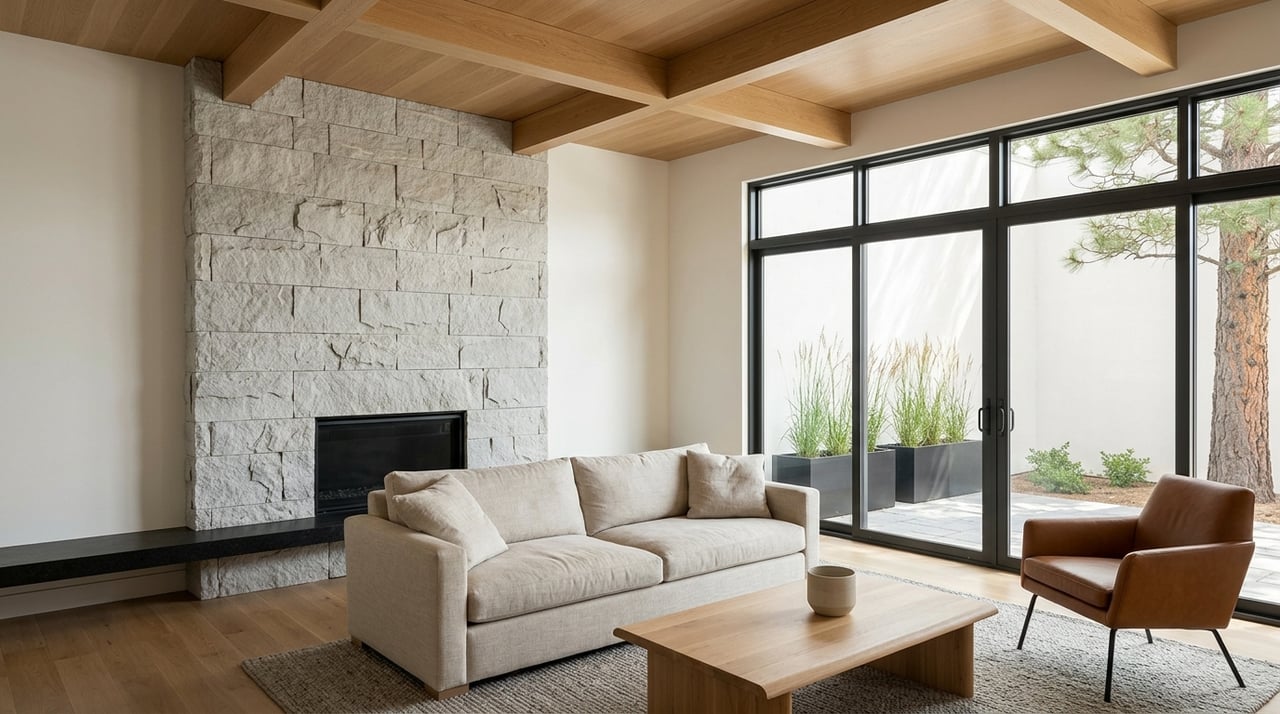
Staging is not about making your home look generic. It is about helping buyers understand the scale, function, and flow of each space. The NAR 2025 staging report found that 83% of buyers’ agents said staging makes it easier for buyers to visualize a property as a future home.
The same report found that the most important rooms to stage are:
- Living room
- Primary bedroom
- Kitchen
Those rooms shape the emotional first impression of your listing. If you are not staging the entire home, focus your energy there first.
What good staging can do
Thoughtful staging can help:
- Make rooms feel larger and brighter
- Show buyers how to use awkward spaces
- Reduce distractions during showings
- Support stronger listing photos
- Create a more polished, cared-for feel
Even light staging can make a difference when paired with cleaning, decluttering, and a well-timed photo shoot.
Your photos and floor plan do heavy lifting
Most buyers will meet your home online before they ever step through the door. That first impression matters. In Zillow’s 2025 buyer trends survey, floor plans ranked as the most important listing feature at 33%, followed by high-resolution photos at 26% and 3D or virtual tours at 20%.
That means your listing media is not optional polish. It is a core part of how your home competes. Professional photos should happen only after the home is fully cleaned, staged, and show-ready.
Best order for listing prep
For most Louisville sellers, this sequence makes sense:
- Complete repairs and maintenance
- Declutter and deep clean
- Depersonalize key areas
- Stage the main rooms
- Schedule photography and floor plan capture
- Launch with strong media and a strategic price
Done in this order, each step supports the next one.
A realistic timeline to get market-ready
If you want to avoid last-minute stress, give yourself more runway than you think you need. Based on the local market data, staging guidance, and common remodeling recommendations, a phased timeline can help you make smarter decisions.
6 to 12 months before listing
Use this time to assess the home with fresh eyes. Identify deferred maintenance, get repair bids, and decide whether any larger exterior work is worth doing before you sell.
This is also the stage to ask questions if your home may have special review requirements, especially in older parts of Louisville.
3 to 6 months before listing
Complete exterior projects and visible repairs. If paint, siding, roofing, gutters, or the front entry need work, this is usually the best window to handle it.
Finishing these items early gives you time to adjust if contractors run behind or additional repairs come up.
4 to 8 weeks before listing
Shift your focus inside. Declutter, deep clean, organize closets, and remove excess furniture or decor that makes rooms feel crowded.
This is also a good time to plan any light staging and touch-up painting.
1 to 2 weeks before listing
Finalize staging, finish details, and make the home fully photo-ready. Then schedule professional photography, floor plan capture, and any virtual tour assets.
The goal is simple: when your listing goes live, every image should reflect the home at its best.
Historic homes may need extra steps
If your home is in Old Town or has historic designation, do not assume every exterior update can move forward the same way as a newer property. The city’s Historic Preservation Commission oversees landmarking and reviews certain exterior changes for designated historic sites or districts.
The city also notes that Historic Structure Assessment grants of up to $7,500 may be available for eligible residential properties, along with preservation grants and loans for landmarked homes. If you are considering replacing windows, siding, or other visible exterior elements, check city requirements before starting work.
A disciplined prep strategy can protect your outcome
In Louisville, preparation is not about over-improving your home. It is about making smart decisions that help buyers see value quickly. Cleanliness, curb appeal, light updates, staging, and strong listing media can all support a better launch in a market where buyers are active but selective.
If you want a tailored plan based on your home, timeline, and budget, Sara Vaughn offers a high-touch, data-driven approach to preparing and positioning homes across Louisville and the Boulder area. Schedule a personalized market consultation to map out the right next steps for your sale.
FAQs
What should I fix before selling a home in Louisville?
- Start with the basics that buyers notice first: deferred maintenance, deep cleaning, decluttering, paint touch-ups, curb appeal, and any visible exterior wear.
How important is staging when selling a house in Louisville?
- Staging can be very helpful because it makes it easier for buyers to picture how the home lives, especially in the living room, primary bedroom, and kitchen.
Should I renovate my Louisville home before listing it?
- Usually, selective improvements make more sense than a major remodel, with exterior repairs, paint, entry updates, and minor kitchen or bath touch-ups often offering a better return.
How long does it take to get a Louisville home market-ready?
- A practical timeline can range from a few weeks to several months, depending on the condition of the home and whether you need to complete exterior work or larger repairs.
Do historic homes in Louisville have special seller requirements?
- Yes, some designated historic properties or homes in historic districts may need city review for certain visible exterior changes, so it is smart to confirm requirements before starting work.