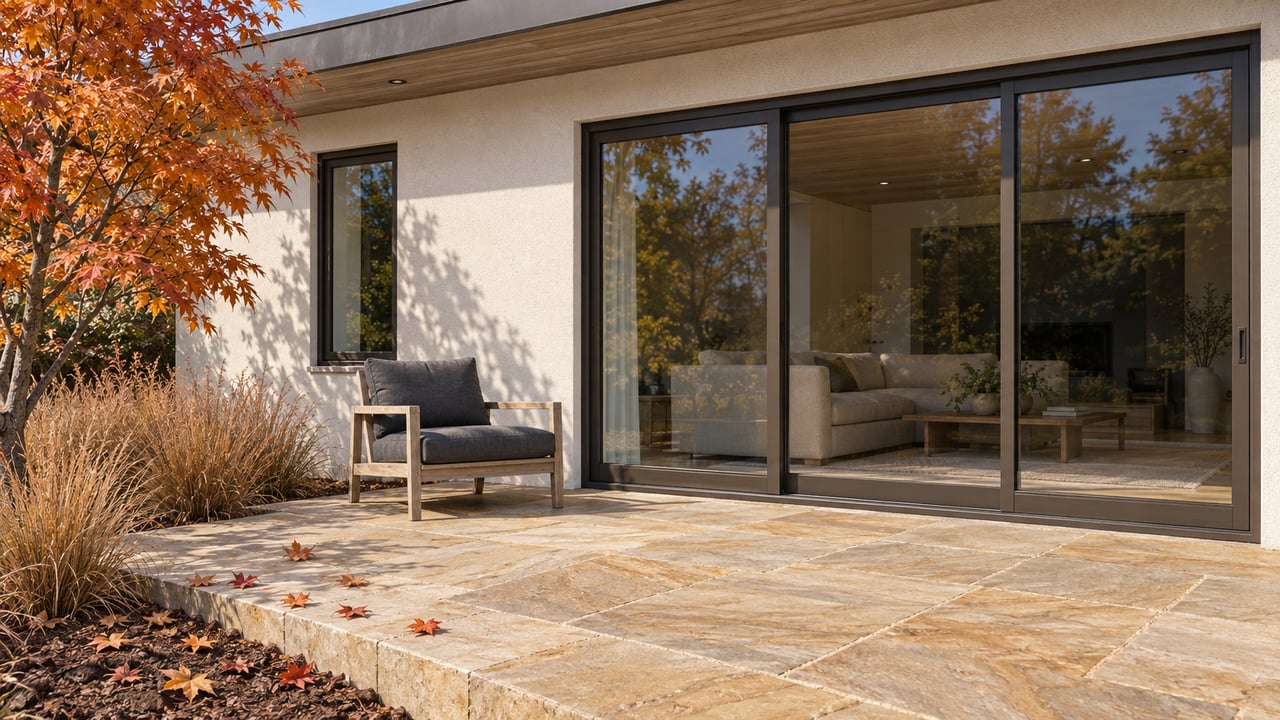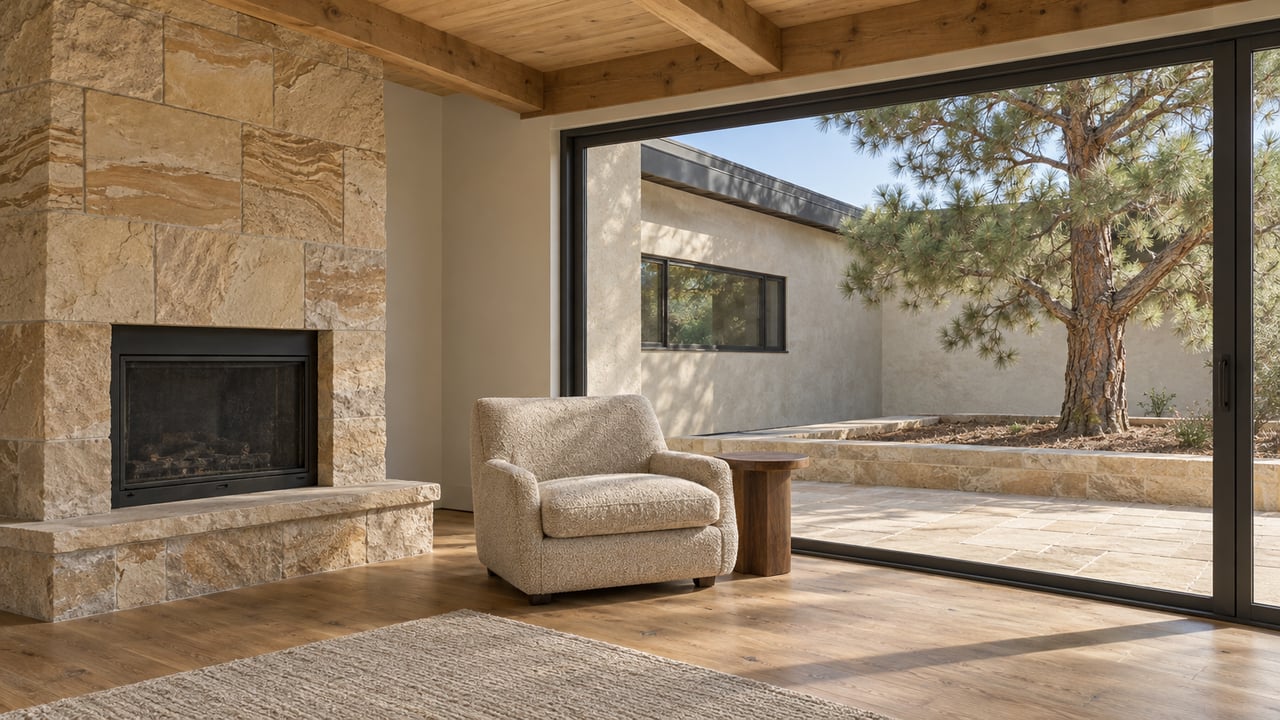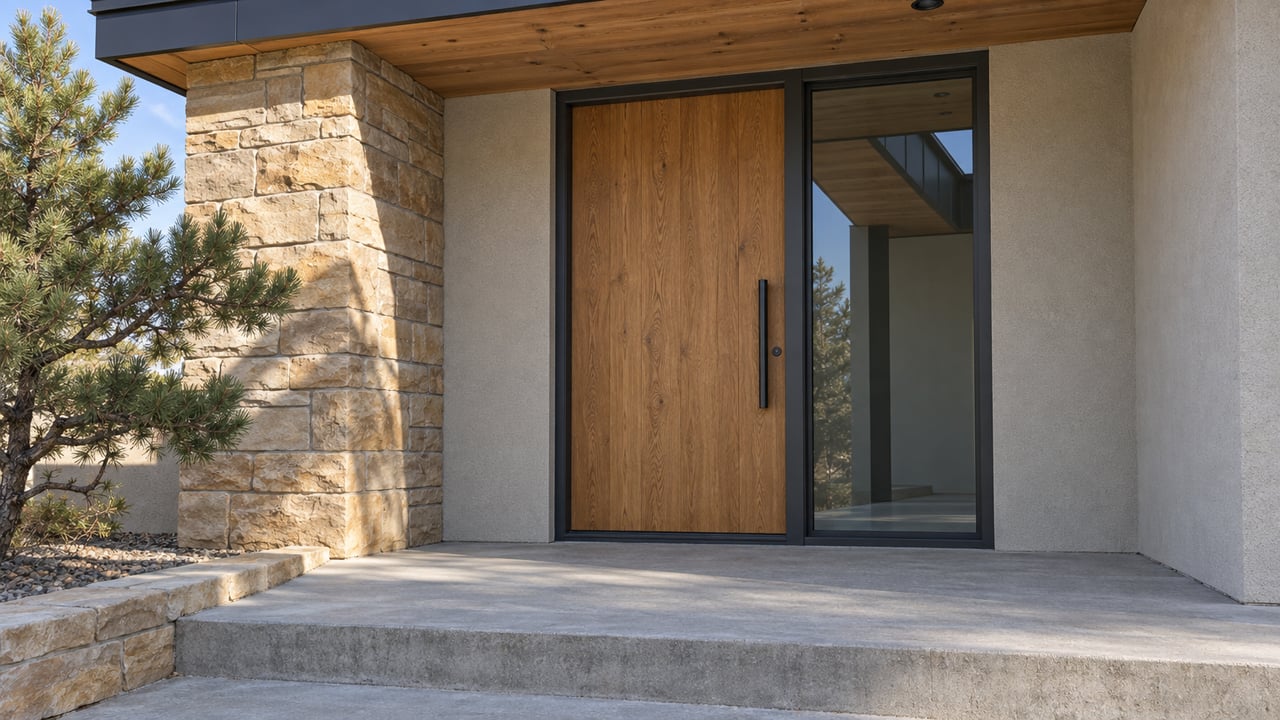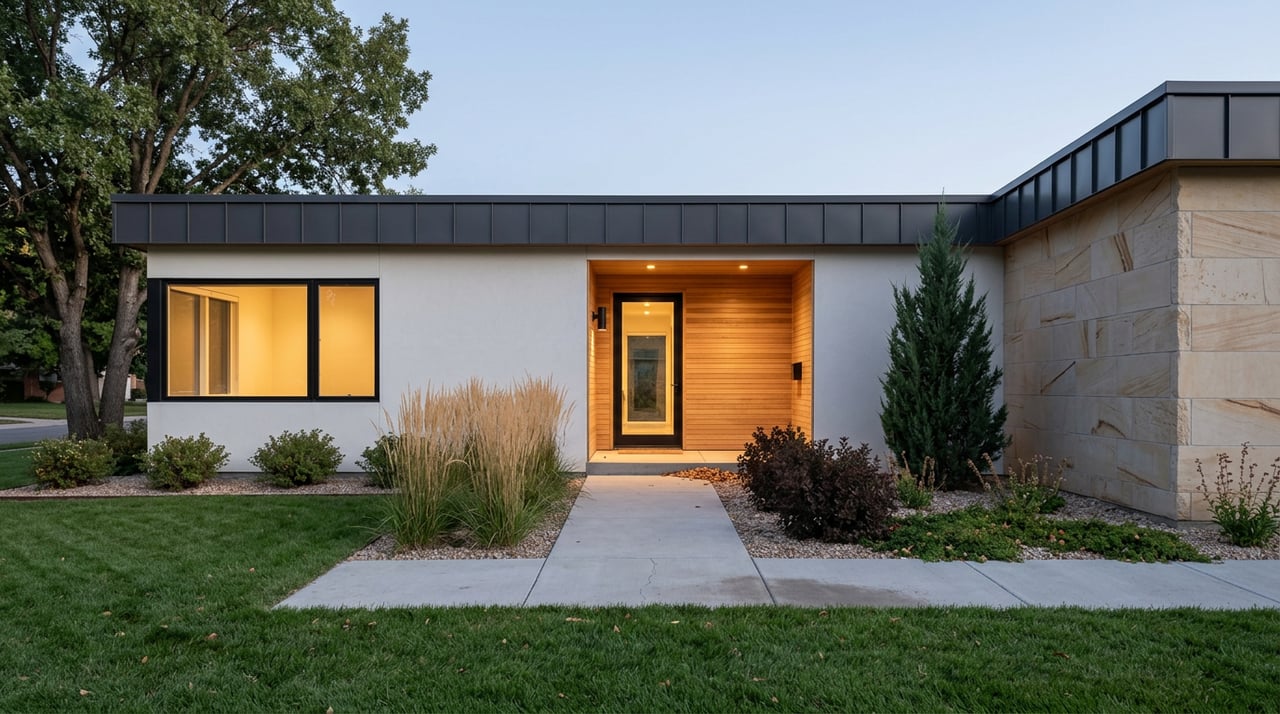
Why does a home in Table Mesa sell for more than the typical Boulder house while costing less per square foot at the same time?
Over the three months ending in May 2026, Table Mesa South posted a median sale price of $1.2 million, according to Redfin, well above the $854,000 median for the city of Boulder as a whole over that same window. Ask most buyers why and you'll get the obvious answer: bigger lots, better mountain access, the Flatirons right there. Then look at price per square foot and the story flips. Table Mesa South buyers paid $438 per square foot in that stretch. Citywide, the figure was $541. In Central Boulder, it hit $659, more than fifty percent higher per square foot than the neighborhood sitting directly at the base of the mountains.
That gap is not a rounding error, though the sample behind it is small. Only 13 homes sold in Table Mesa South in May 2026, which is part of why the median jumped 25 percent year over year while the per-square-foot figure barely moved. Strip out the noise and a signal remains: something is holding Table Mesa's total price up while pulling its per-foot value down, and it isn't the market cycle. It's a line a small group of Boulder residents drew on a map in 1959, years before most of the houses now selling on those streets were framed.
The Line Boulder Drew Before Table Mesa Was Built
In the late 1950s, two University of Colorado professors, Al Bartlett and Bob McKelvey, watched proposed subdivisions creeping up the mountain backdrop and decided the city needed a permanent barrier, not a policy that could be reversed by a future council vote. They organized a citizen campaign for a charter amendment prohibiting the city from extending water service above 5,750 feet of elevation. Boulder's own base elevation sits at 5,430 feet, so the rule effectively capped how far up the foothills the city could ever grow. Voters approved it that July, 2,735 to 852. The organizers behind the push went on to form PLAN-Boulder, a group still active in the city's land-use politics today. One of the developments scrapped in the aftermath was a subdivision planned around the site that would later become the National Center for Atmospheric Research.
Table Mesa itself did not exist yet. Developers had only just turned their attention to the empty pastureland south of Baseline Road as CU expanded and employers like IBM and the National Bureau of Standards, the agency now known as NIST, pulled engineers and scientists into Boulder. Through the 1960s, that land became the master-planned tri-levels, bi-levels, and ranch homes that still define streets like Lehigh today. Because Table Mesa runs directly up against the base of the Flatirons, the Blue Line drew its western edge before a single foundation was poured. Seven years after the vote, NCAR opened its Mesa Lab, designed by I.M. Pei, on the bluff directly above the neighborhood. A year after that, Boulder became the first city in the country to pass a dedicated sales tax for open space acquisition, layering a second, deliberate boundary onto the same ground.
What a Vote Cast More Than Six Decades Ago Still Freezes
Table Mesa is boxed in on one side by protected open space and the Blue Line, and on the other by development that filled in decades ago along Broadway. It cannot expand into the foothills, so the supply of buildable lots in the neighborhood is fixed at roughly whatever exists right now. Homes get replaced. The boundary does not move. That turns every lot near the open space edge or a trailhead into a share of a supply that structurally cannot grow, which behaves very differently from a neighborhood where more land is one annexation away.
Here's the comparison across three Boulder neighborhoods over the same window, all pulled from the same source so the methodology stays consistent:
| Neighborhood | Median sale price (3 mo. ending May 2026) | Price per sq. ft. | Days on market |
|---|---|---|---|
| Table Mesa South | $1.2M | $438 | 32 |
| Boulder citywide | $854K | $541 | 50 |
| Central Boulder | $1.3M | $659 | 53 |
Table Mesa's total price sits between the citywide figure and Central Boulder's. Its per-square-foot number sits below both. Buyers there are paying for something the square footage figure doesn't capture: a lot that can never be replaced by a new one down the road, because there is no more road to build on.
Inside Table Mesa, the Same Boundary Splits the Neighborhood Three Ways
The fixed supply doesn't distribute value evenly. It concentrates where the boundary is closest.
- Lower Table Mesa holds the original midcentury ranches and split-levels closest to Broadway, generally the most accessible entry point into the neighborhood.
- Shanahan Ridge carries the townhomes and condominiums, priced from the lower $600,000s into the lower $900,000s, and represents the neighborhood's only meaningful multifamily supply.
- Upper Table Mesa, including subdivisions like Devil's Thumb, holds semi-custom, multistory Craftsman homes that grow larger and sit farther apart the closer they get to the mountains, running from $1.1 million to $2.4 million.
That spread inside a single neighborhood is the clearest evidence that location relative to the fixed boundary, not square footage, is doing the pricing work. A buyer comparing two homes with identical floor plans a few blocks apart can be looking at a six-figure gap that has nothing to do with finishes.
Why an Untouched 1968 Ranch Still Sells
Because the land is what's actually scarce, an original, unrenovated home can still command a real price, and it does. What's changing hands is proximity: to Harlow Platts Community Park and Viele Lake at the neighborhood's southern edge, to the Table Mesa Shopping Center anchored by longtime tenants like Neptune Mountaineering, South Side Walnut Cafe, and Southern Sun Pub & Brewery, or to a Bear Creek Trail access point. A house that hasn't been touched since the Johnson administration sells because the ground under it is the product. A thoughtfully renovated or pop-top version of the identical floor plan down the same street can clear a very different number, not because the market suddenly reversed its opinion on square footage, but because that buyer is stacking updated finish on top of land value that was already fixed before either house went on the market.
Table Mesa is also in a specific Boulder Valley School District zone that feeds Bear Creek Elementary, Southern Hills Middle, and Fairview High School. That zoning is a separate, factual layer on top of the land scarcity, and it's part of why demand for a fixed supply of lots doesn't ease off even in a slower year for the broader city.
Reading Boulder's Numbers Without Getting Fooled by Them
The wider city offers a useful warning about trusting any single median too far. In July 2026, the median price for a detached single-family home across the city of Boulder crossed $1.5 million for the first time since February, based on IRES MLS data reported by BizWest, even as that figure fell 10.4 percent from July 2025 and active listings dropped nearly 18 percent year over year on just 54 closings. A headline number that swings that hard on that few transactions is not a verdict on the market. It's a reminder that medians move with sample size and property mix as much as with genuine value shifts. Table Mesa's own median jumped 25 percent in a year on 13 sales. Neither number, by itself, tells a buyer what a specific lot is actually worth.
What does is the boundary. If you're comparing a Table Mesa listing to something in Central Boulder or across town, price per square foot is a starting point, not an answer. Adjust for how close the lot sits to open space or a trailhead, what sub-area of the neighborhood it's in, and whether you're paying for land, finish, or both. That's the comparison a charter amendment more than six decades old set up long before either listing existed.
A Few Straight Answers
Will the Blue Line ever be lifted to add supply to Table Mesa? It has stood as a city charter amendment for more than six decades, and undoing it would take the same mechanism that created it: a citywide vote. Nothing in the current data suggests that's on the table.
Does the boundary affect the whole neighborhood equally? No. The Blue Line runs along the roughly 5,750-foot contour on the city's western edge, so it caps what can be built uphill rather than rezoning homes already standing. Its price effect concentrates on lots closest to that edge or to open space and trailheads, which is why Upper Table Mesa and streets backing to greenbelt carry more of the premium than blocks nearer Broadway.
Is price per square foot a fair way to compare Table Mesa to other Boulder neighborhoods? Only with adjustment. A lower number here reflects a larger share of the price sitting in irreplaceable land rather than finished interior space, not a discount on quality.
If you're trying to figure out what a specific Table Mesa lot is actually worth, or how it stacks up against a comparable listing elsewhere in Boulder, that's a conversation best had with someone who tracks these boundaries block by block. Sara Vaughn works Boulder and the Front Range daily through LIV Sotheby's International Realty. Schedule a personalized market consultation to walk through the numbers on your specific street, not just the neighborhood average.
This article is general information, not legal, tax or financial advice. Consult a qualified professional about your situation.