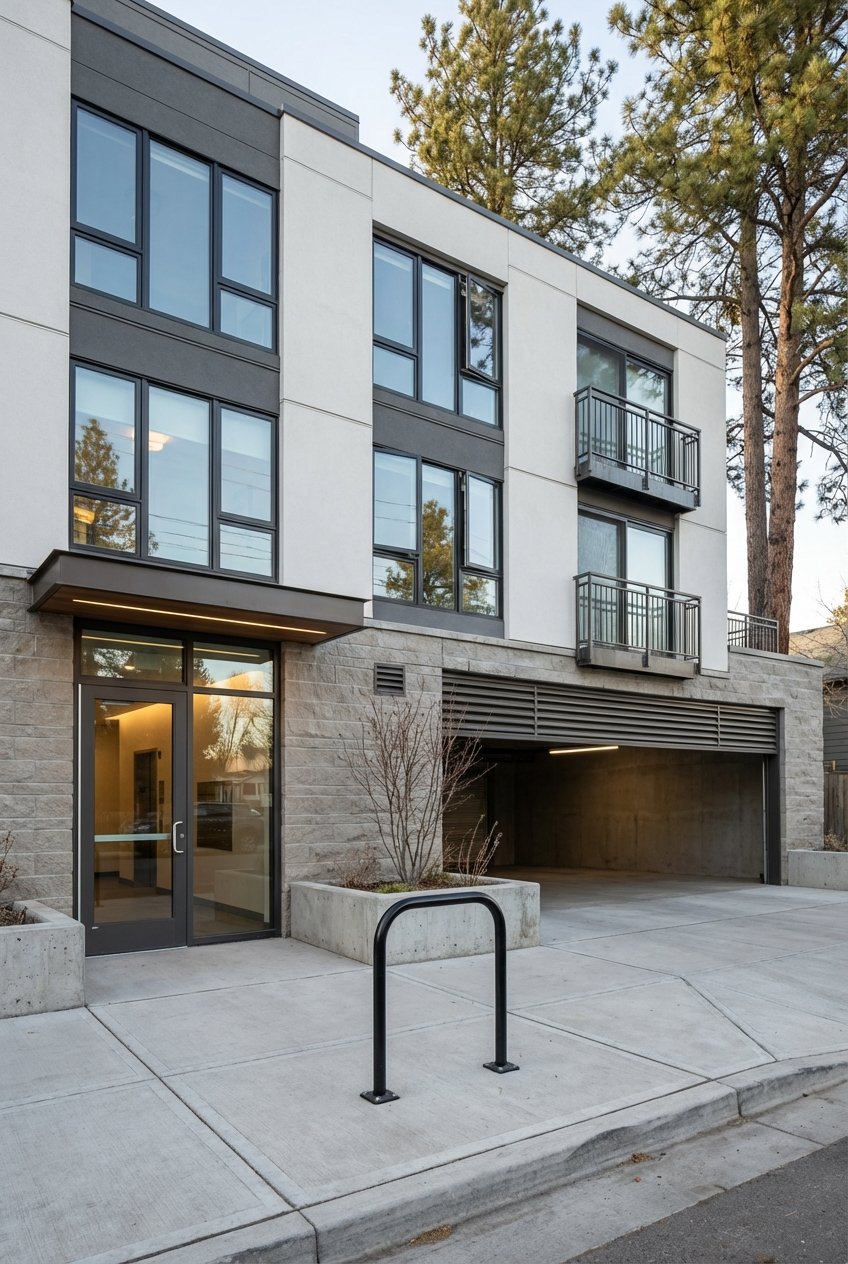
Morning coffee on Pearl Street, dinner steps from your door, and no yard work to worry about. If that sounds like your kind of Boulder life, you might be weighing a condo or loft in the downtown core. As a professional or downsizer, you want convenience, comfort, and clarity on costs and rules before you buy. This guide walks you through how downtown condos and lofts work in Boulder, the tradeoffs to expect, and the documents to review so you can move forward with confidence. Let’s dive in.
Downtown Boulder at a glance
Downtown centers around the Pearl Street Mall and nearby blocks, a compact area with frequent events, dining, and shops. For orientation and history, explore the city’s overview of the Pearl Street Mall. The district is highly walkable and well served by public parking and transit.
If you like data points, portals offer quick snapshots to frame expectations. Redfin reports a median sale price around $785,000 for Downtown Boulder as of Jan 2026, while Realtor.com lists the citywide median near $999,000. These figures vary by source and update cycle, so use them as context and confirm current numbers with a local MLS search when you’re ready to shop.
Condo vs. loft: what to expect
Unit types and ages
You’ll find a mix of historic rowhouse-style buildings, small masonry walk-ups, and newer mid‑2000s to 2010s condo buildings. Lofts can be true conversions or newer “loft‑style” flats. Downtown units often have 1 to 2 bedrooms, efficient floor plans, and limited private storage. Newer buildings frequently include elevators and underground parking.
Everyday living tradeoffs
- Condos often deliver more traditional layouts and on-site amenities like a fitness room or rooftop deck.
- Lofts may offer higher ceilings and an open feel but can trade away closets or enclosed rooms.
- Sound levels depend on construction. Concrete buildings generally dampen noise better than older wood-frame stock. Always test noise at different times of day.
HOA dues and governance
What dues usually cover
HOA dues typically pay for exterior and common-area maintenance, master insurance on common elements, snow removal, trash, landscaping, reserves, and amenity operations. The exact scope is defined in the building’s CC&Rs. For consumer guidance on what to request and review, start with Colorado’s HOA Information & Resource Center.
Documents to request
Ask for the current budget, recent financials, reserve balance and any reserve study, board minutes for the last 6 to 12 months, master insurance declarations, pending litigation disclosures, and a copy of the CC&Rs and rules. DORA’s overview of HOA finances and reserves explains why these items matter.
Red flags to watch
Be cautious if you see very low reserves, frequent or large special assessments, high owner delinquency, recent litigation, or vague maintenance plans. Downsizers on fixed budgets should weigh these carefully.
Status letter in escrow
In Colorado, associations typically provide a status or estoppel letter in escrow that shows assessments, unpaid amounts, and unit-specific obligations. Confirm you receive and review it with your agent.
Parking and everyday mobility
Parking types in downtown buildings
Listings may include deeded or assigned stalls in underground garages, HOA-managed surface spaces, or no on-site parking at all. Policies for guest parking vary by building. Always confirm whether a space is deeded, assigned, or shared, and review guest rules.
City garage permits and rates
If you need extra parking, the City operates several downtown garages and offers monthly permits. As listed by the City, downtown garage permits are currently posted at $175 per month for the five BoulderPark garages, with a $100 option at the Trinity Lutheran garage. Rules and eligibility can vary, so check the City’s Parking & Access Permit options for details.
EV charging in HOAs
Colorado supports reasonable access to Level 1 and Level 2 charging in assigned spaces, subject to HOA approval processes and building capacity. Review the building’s rules and the approval pathway before you commit to an EV plan.
Noise, rentals, and rules
Downtown sound reality
Downtown events, restaurants, and street activity create a lively atmosphere, especially near Pearl Street. Boulder’s municipal code prohibits unreasonable noise and sets limits on amplified sound during late hours. For specifics, see the City’s noise code.
Short-term rentals (STR)
Boulder requires a Short‑Term Rental license and limits STRs to an owner’s principal residence. Whole‑unit STRs are generally not permitted unless you meet the principal-residence test and your HOA allows it. Review the City’s short‑term rental licensing before you count on STR income.
Long-term rentals and SmartRegs
If you plan to rent long term, you will need a rental license and the unit must meet SmartRegs energy standards. The City’s SmartRegs guide explains requirements and how compliance is verified.
Inspections and risk checks
Sound, windows, and waterproofing
Test for hallway and neighbor noise, and ask about wall and floor construction. Inspect windows, balconies, and drainage, since downtown storms and snow melt can stress exterior elements.
Building systems and maintenance
Request elevator logs, roof and terrace records, recent capital projects, and HVAC or boiler maintenance histories. Combine this with the HOA’s reserves picture to gauge upcoming costs.
Flood and insurance considerations
If a property sits near Boulder Creek or mapped flood areas, review the building’s insurance declarations and claims history. Check the official regulatory flood zone via FEMA’s Flood Map Service Center, and consider supplemental climate risk context from First Street’s Flood Factor resources.
Is a condo or loft right for you?
You may thrive downtown if you value walkability, cultural amenities, short commutes, and low-maintenance living. Single professionals, couples, and many downsizers appreciate the trade of private yard space for proximity to food, arts, and transit. If you rely on multiple vehicles, need very quiet late nights, or plan on unrestricted short-term rental income, choose carefully and review building policies.
Quick buyer checklist
- Confirm the location context and walkability around Pearl Street, then verify parking type and guest rules.
- Request CC&Rs, rules, current budget, recent financials, reserve details, and the last 6–12 months of board minutes.
- Review the master insurance declarations and any claims history. Clarify what the master policy covers versus your condo policy.
- Obtain the association status or estoppel letter during escrow.
- Check rental pathways. Verify STR eligibility and long-term rental licensing plus SmartRegs compliance.
- Inspect for noise transfer, window and balcony waterproofing, and building-system maintenance.
- Check flood zone status via FEMA and consider supplemental future risk context.
- If you drive daily, confirm your garage stall details and explore City garage permits as a backup.
Ready to pinpoint the right building and floor plan for your lifestyle? Reach out to Sara Vaughn for a focused, data-informed plan tailored to downtown Boulder.
FAQs
What do Downtown Boulder HOA dues usually cover?
- Dues commonly fund exterior and common-area maintenance, master insurance, snow and trash service, landscaping, reserves, and amenities; confirm exact coverage in the CC&Rs and budget.
How do Boulder short‑term rental rules affect condos?
- Short‑term rentals require a City license and are limited to an owner’s principal residence, so many condo owners cannot legally run whole‑unit STRs unless they live there and the HOA allows it.
Where can you park if the building has no deeded stall?
- You can explore monthly permits for City-operated garages downtown, subject to availability and eligibility, or consider buildings with assigned or deeded spaces.
Are downtown condos noisy at night?
- Areas closest to Pearl Street may experience more evening activity; check the unit at different times and review the City’s noise code limits to understand expectations.
How do you verify flood risk for a downtown condo?
- Look up the unit’s FEMA flood zone on the official map and review building insurance, then use supplemental climate tools for future risk context before you finalize coverage.