Two numbers came out of North Boulder this spring that shouldn't agree, and don't.
Over the three months ending in May 2026, the median sale price in North Boulder was $1.2 million, down 3.3 percent from the same stretch a year earlier. Ask for the median price per square foot on those same sales and you get a different story: $555, up 17.7 percent year over year. A cooling market and a market getting pricier to build in, happening in the same handful of blocks, in the same three months.
Both numbers are accurate. Neither tells you what's actually happening unless you know what's underneath them. North Boulder isn't one housing market this year. It's two, running side by side on the same streets, and a new city fee that took effect at the end of January just changed the economics of the smaller one.
Two Markets, One Zip Code
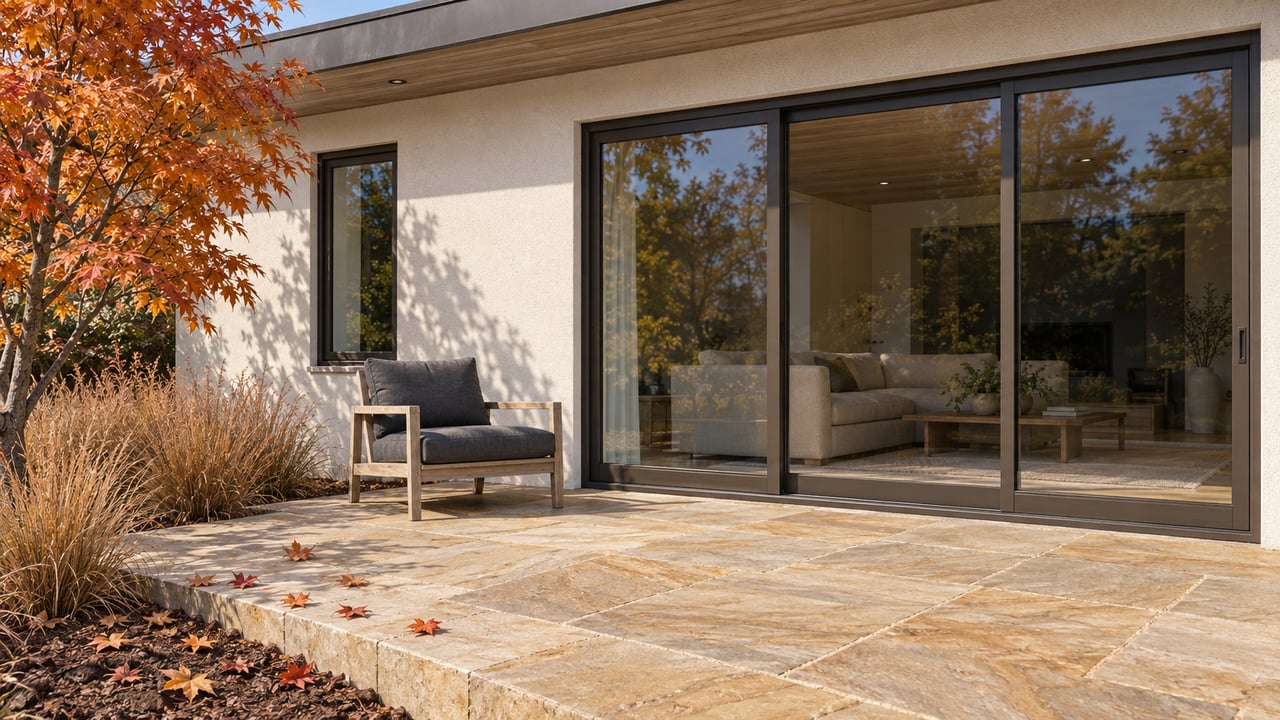
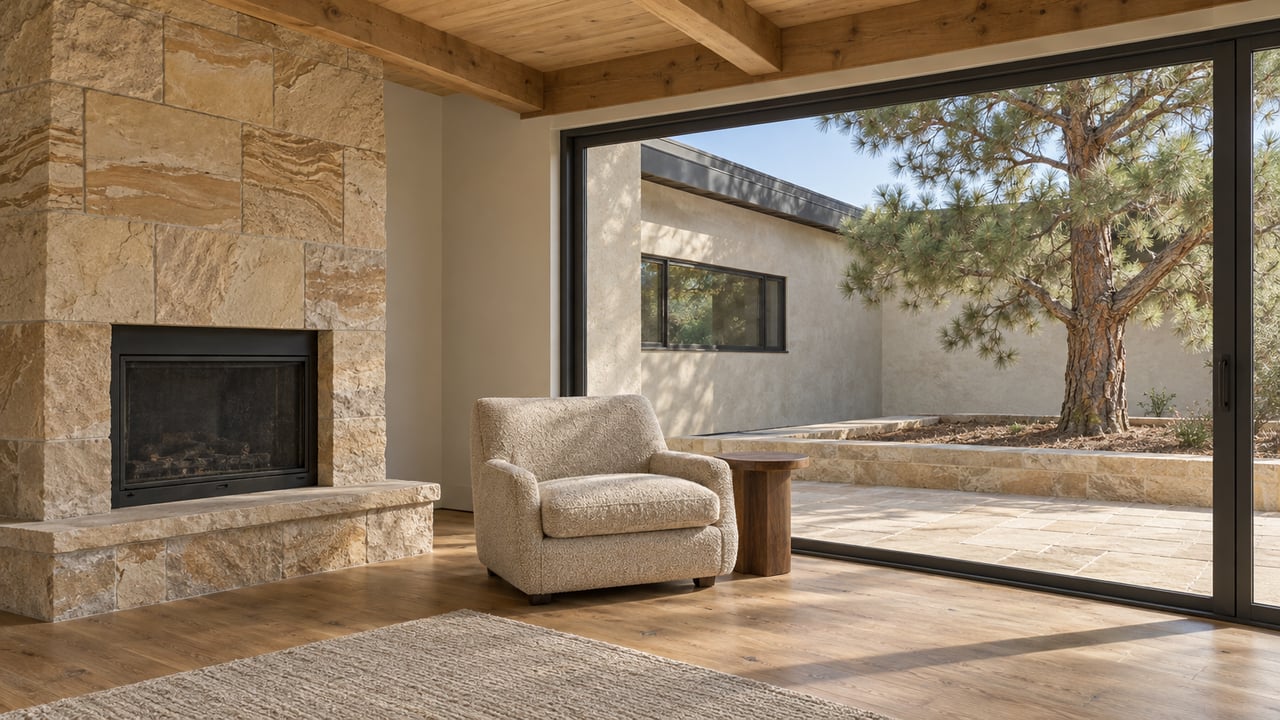
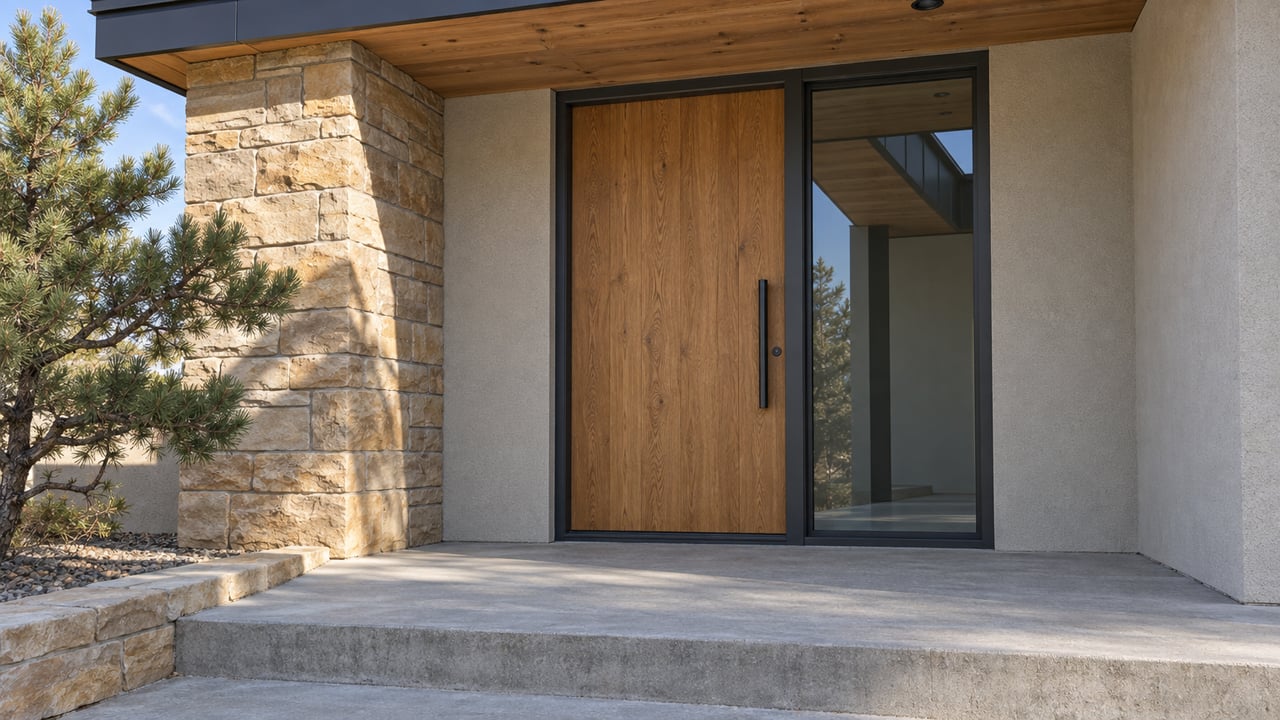
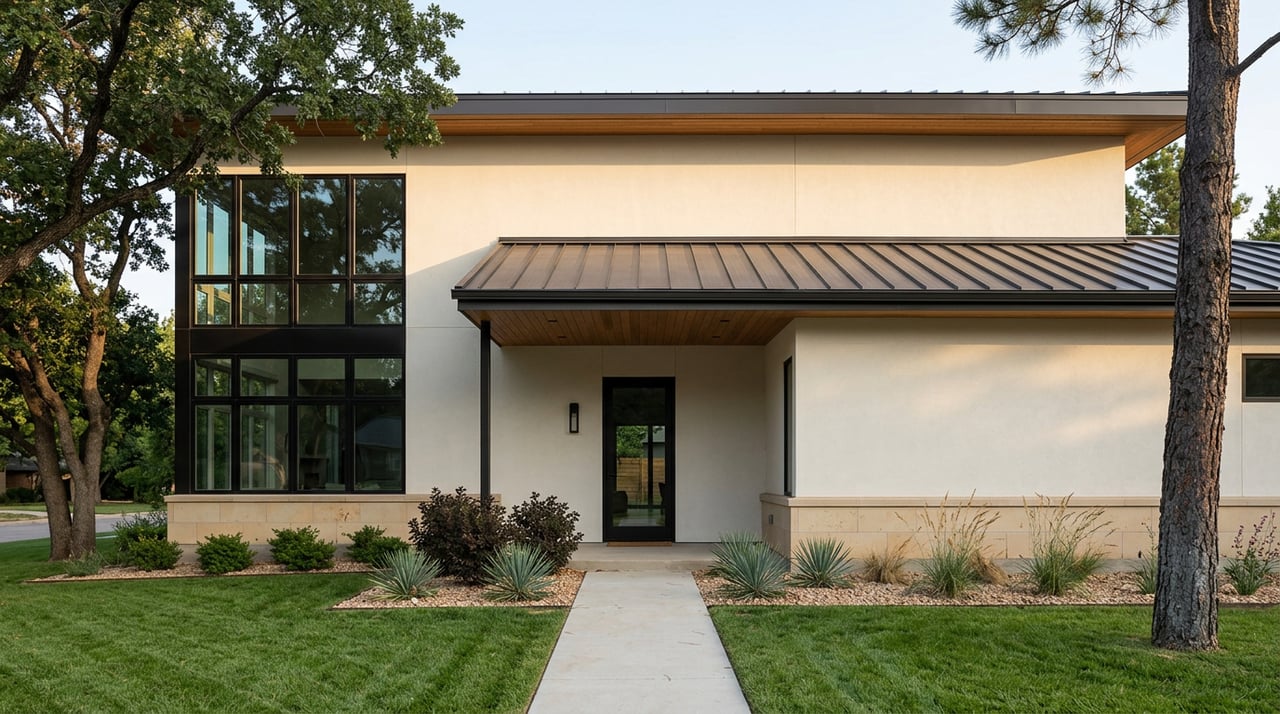
Walk a few blocks through Old North Boulder and you'll pass both markets without noticing the seam. One is the original housing stock: cottages and bungalows near 1,000 square feet, sitting on lots that are worth more for what could replace them than for the house currently on them. The other is what's been built or rebuilt on the lots next door: additions, gut renovations, and full teardown-rebuilds that routinely land in the 2,400 to 6,900 square foot range, priced well above that $555 median.
A buyer shopping the first group is really buying dirt and location. A buyer shopping the second is buying finished square footage, current systems, and a design somebody else already paid to get right. Blend enough sales from both groups into one "North Boulder" median and you get exactly what the data shows: a median sale price pulled down by a steady supply of small original-stock houses, and a median price per square foot pulled up by the shrinking, higher-priced pool of finished product competing for the same buyers.
This isn't a neighborhood losing value. It's a neighborhood where two very different products are being sold under one label, and the label is the wrong thing to watch.
The $11-Per-Square-Foot Number Nobody Priced In Yet
On January 31, 2026, Ordinance 8712 took effect, an Affordable Housing Impact Fee the city started charging on demolition-and-rebuild projects and substantial additions to single-unit homes. The premise, laid out in a city-commissioned study, was that scrape-and-rebuild projects had been sitting in a loophole. The same added square footage that would trigger a contribution to the city's affordable housing fund if built as a multifamily project could be added to a single-family home for free. A study by the consulting firm Gruen Gruen + Associates gave the city its legal footing to close that gap, finding that replacement homes built through these projects were often worth up to $3.5 million more than the smaller homes they tore down.
The city's Affordable Housing Nexus Study describes a flat $11 per square foot on any floor area a replacement home adds beyond the original footprint, and the same rate on additions larger than 500 square feet. Accessory dwelling unit square footage doesn't count toward the fee at all. Additions to homes whose total finished area, including the addition, stays under 2,000 square feet are exempt outright, which matters if you're weighing a modest expansion rather than a full teardown. Boulder Reporting Lab reports that, unlike Boulder's water and sewer impact fees, which cap out at homes of 3,700 square feet, this one has no ceiling. City staff argued that a bigger home creates a roughly proportional need for more affordable housing nearby, so council left the fee uncapped on purpose.
Run the math on a typical Old North Boulder rebuild and the number gets real fast. Add 2,000 square feet over the original footprint and that's $22,000 a builder wasn't paying in December and is paying now. That cost doesn't disappear. It gets underwritten into what a builder can afford to offer for the lot in the first place, which is the quiet mechanism by which a fee written to apply to builders ends up shaping what a seller of a small original-stock house actually gets offered.
The Clock That Starts Before the Fee Does
The fee isn't the only friction a teardown candidate carries that a finished home doesn't. Old North Boulder's original housing stock is old enough, and has been for decades, that nearly all of it clears the city's 50-year threshold for Historic Preservation Demolition Review. That review applies to any non-designated building over 50 years old when the proposed work meets the city's specific definition of demolition, which includes removing more than half the roof as measured in plan or removing, altering, or covering over the finish on any street-facing wall.
Once that review is triggered, the Landmarks Board can approve the work outright or place a stay of up to 180 days to look for alternatives to demolition. If the board doesn't move to designate the property as a landmark by the end of that stay, the demolition is approved and the approval holds for one year. A full interior gut that leaves the street-facing exterior untouched generally doesn't trigger this review at all, but a teardown or a major front-facing remodel does, and that review has to clear before the demolition or building permit, and the new fee, ever comes into play.
Stack the two together and a scrape-and-rebuild project on an original-stock North Boulder house is now carrying a possible six-month review clock ahead of the permit and an uncapped per-square-foot fee once the permit is filed. The review process predates the fee.
If You Own the Original 1,000-Square-Foot House
The value in a house like this was already tied more to the lot than the structure, and that hasn't changed. What has changed is the arithmetic on the other side of the table. A builder pricing an offer now has to account for the possibility of a 180-day preservation review before they can touch the roofline, plus $11 for every square foot they plan to add once they can. Expect that math to show up in offer timing and contingencies more than in the headline number. Being upfront about the home's age and any prior exterior work can shorten the guessing on the buyer's side, since a builder is going to run that calculation regardless.
If You Own or Are Buying an Already-Finished Home
This is the side of the market pulling that $555-per-square-foot figure upward, and the underlying demand looks steady rather than soft. North Boulder saw 56 homes sell in May 2026, up slightly from 54 the year before, with days on market ticking up modestly from 48 to 53. That's a market with normal seasonal friction, not one losing buyers. A finished home skips the preservation review, the fee, and the construction risk entirely, and buyers are pricing that certainty in.
A Few Straight Answers
Does the new fee apply if I'm just remodeling, not tearing down? Only if the addition exceeds 500 square feet and the home's total finished area including any addition reaches 2,000 square feet or more. A remodel with no added floor area doesn't trigger the fee at all.
What actually counts as "demolition" on a 50-year-old home? The city's definition is narrower than most people assume. It centers on removing more than half the roof or altering a street-facing exterior wall. A full interior renovation that leaves the front of the house alone generally stays outside the review process.
Does any of this change what my finished, already-remodeled home is worth? Indirectly, yes. Every added month of review time and every added dollar of fee on new teardown projects makes a finished, move-in-ready home more attractive by comparison, because a buyer of that home skips the entire process.
North Boulder's numbers only look contradictory from a distance. Up close, they're describing two different products with two different sets of rules, and the rules just got more specific this year. If you're trying to figure out which side of that split your address actually falls on, or what a builder's offer on your lot really accounts for, that's worth a direct conversation rather than a portal search. Sara Vaughn works these blocks lot by lot, from the original-stock cottages builders are watching to the finished homes competing for buyers who'd rather skip the process altogether. Schedule a personalized market consultation to walk through what your specific property is actually worth in this market.
This article is general information, not legal, tax or financial advice. Consult a qualified professional about your situation.