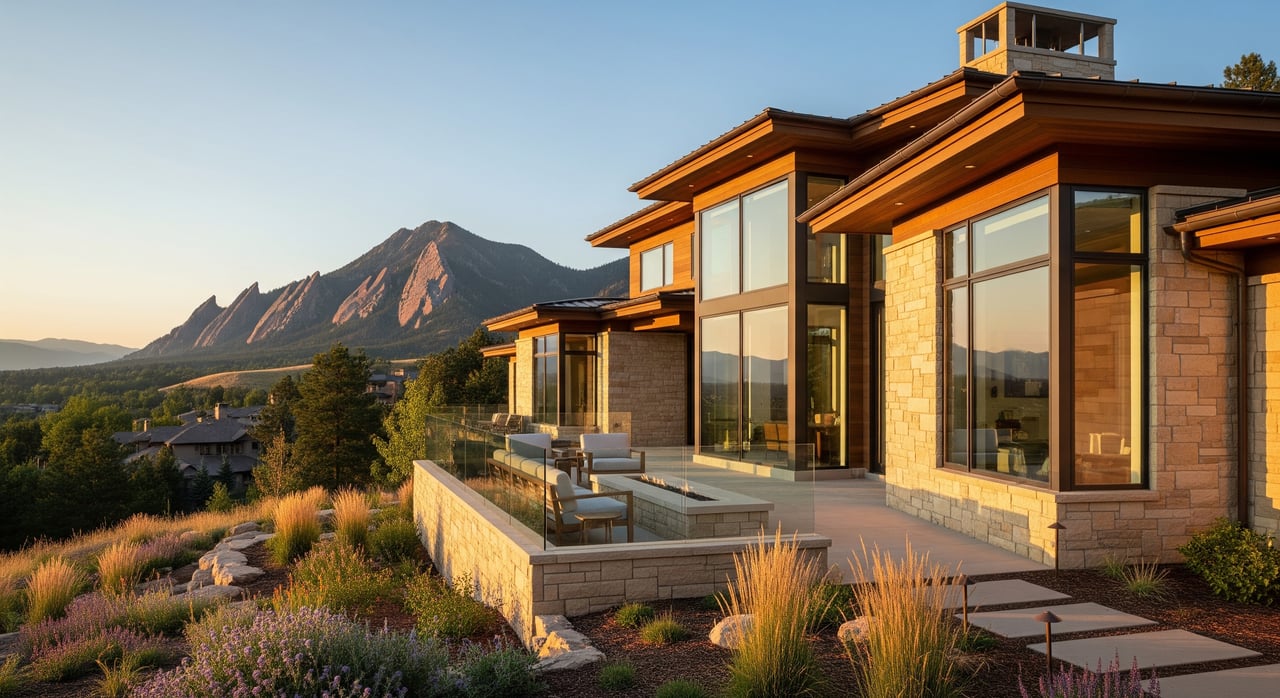
Dreaming of foothills sunsets, quiet streets, and easy access to downtown Boulder? South Boulder gives you that mix of outdoor living and everyday convenience that many movers want. If you are considering a move, you likely have questions about housing, schools, commutes, parks, and practical steps like flood and wildfire checks. This guide walks you through what to expect, where to fact-check key details, and how to start your search with confidence. Let’s dive in.
South Boulder at a glance
South Boulder generally refers to the part of the city south of Boulder Creek and closer to the foothills. Locals often include areas around Table Mesa, Baseline, and south Broadway in the mix. Exact borders vary by map and local use, so it helps to verify addresses against an official map.
You can explore neighborhood layers and city boundaries using the City’s mapping resources. For a high-level view, start with the City of Boulder’s tools on the City of Boulder neighborhood map. As you narrow your search, confirm each specific address to understand which services and schools apply.
Home types and what drives value
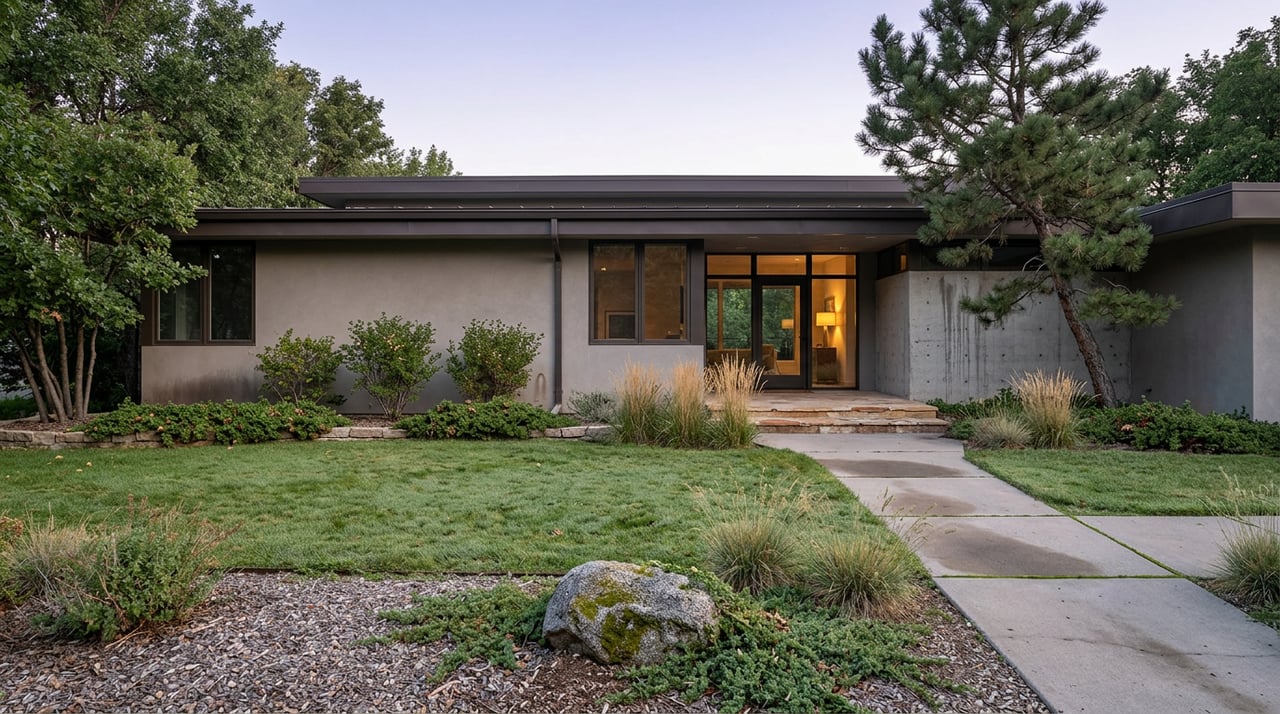
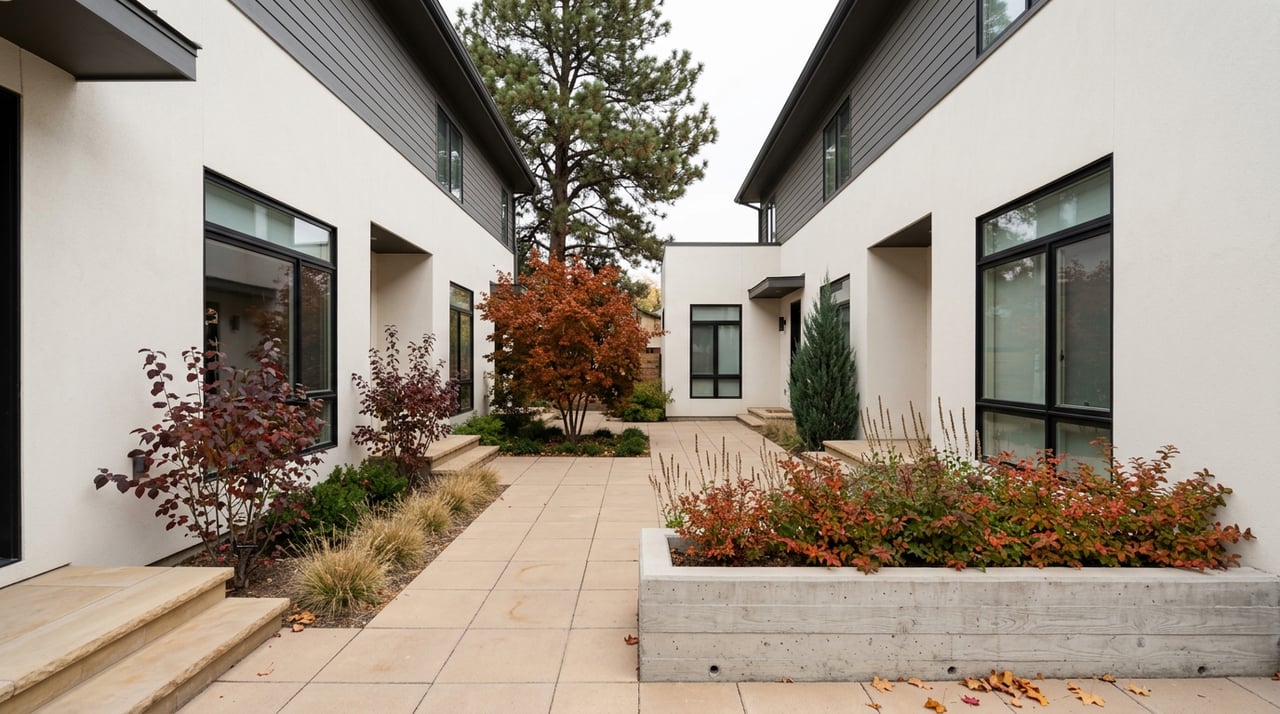
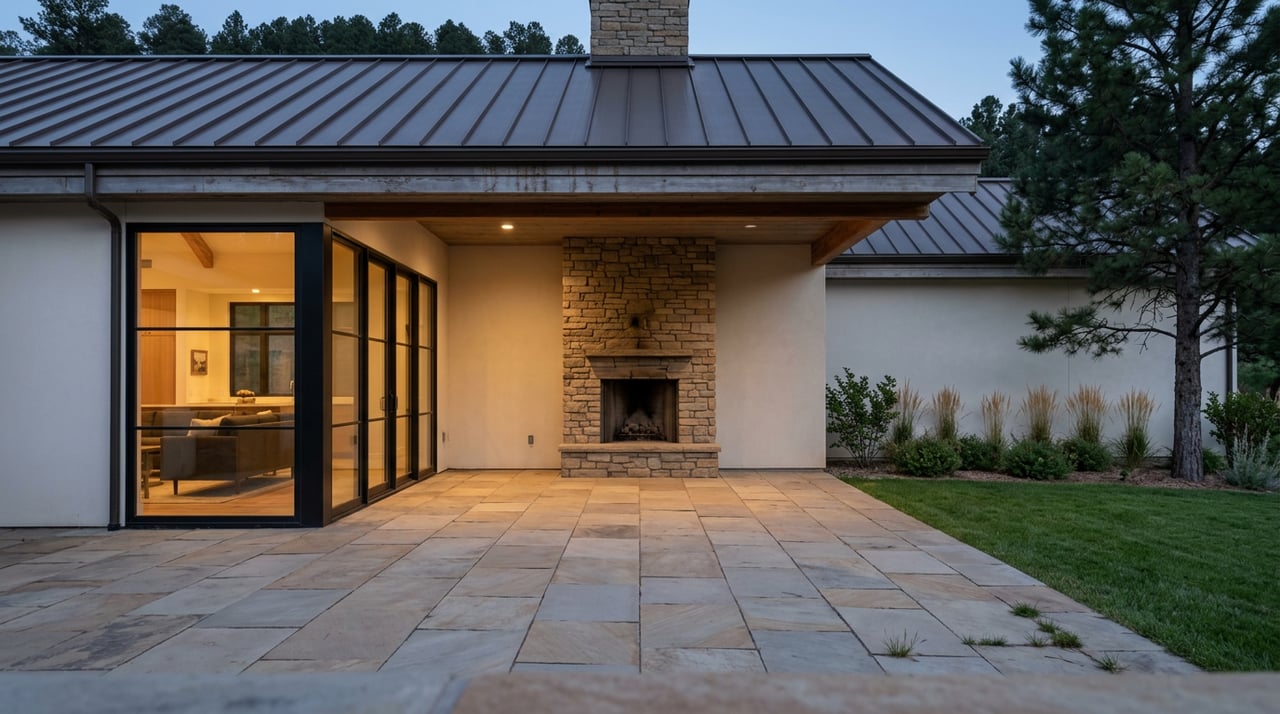
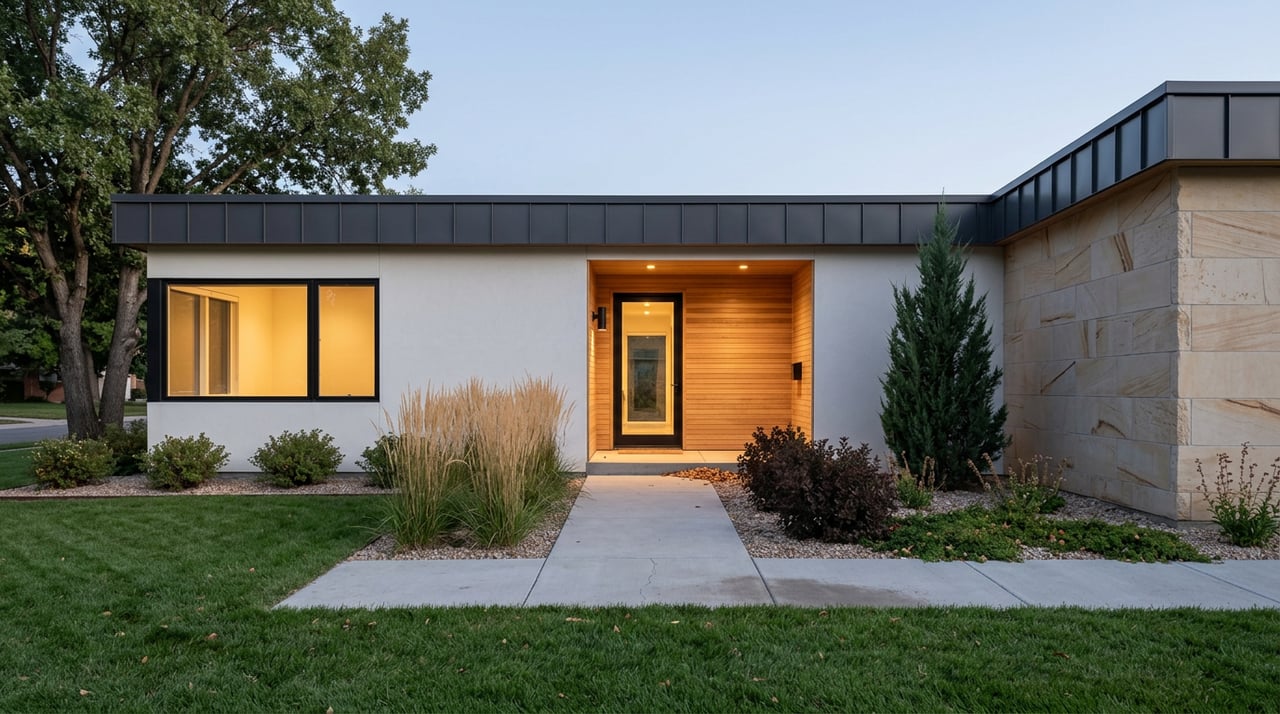
You will find a range of housing across South Boulder. Many streets feature mid-century single-family homes, including ranch and bungalow styles. There are also townhomes, duplexes, and condo communities near major roads and shopping hubs, plus newer infill and remodeled homes from the last couple of decades.
Price tends to move with a few predictable factors. Properties nearest the foothills and trailheads, or with Flatirons views, often command higher prices. Homes on larger lots or with recent renovations also see premiums. Places directly on major arterials can trade at a relative discount due to traffic and noise.
If you are early in your search, condos and townhomes are often the more affordable entry point, while detached homes closer to the foothills set the upper end of the market. Boulder’s seasonality means spring usually brings more listings and activity, but inventory can be tight year-round. For current pricing and days on market, ask your agent to pull the latest MLS data and recent local board reports. Always check the data date, since monthly numbers shift.
Schools and childcare
South Boulder addresses are served by Boulder Valley School District (BVSD). School assignments depend on the exact address and can change over time. You should always verify a property’s current school pathway using the BVSD boundary lookup before you make decisions.
If you want more context on school performance, review official state resources for objective data. Because district programs and school options can evolve, touring schools and speaking with administrators can add helpful detail. For preschool and childcare, expect waitlists at popular programs and start inquiries early.
Everyday convenience
Daily needs are easy to cover along Baseline Road, Table Mesa Drive, and the south Broadway corridor. These areas include grocery stores, pharmacies, banks, coffee shops, and casual dining. South Boulder has a quieter restaurant scene than downtown Boulder, but you will be a short drive or bus ride from the broader offerings around Pearl Street and University Hill.
Medical services are available nearby, including clinics and specialty providers, with larger systems serving the wider Boulder area. If staying close to everyday amenities matters, focus your search within walking or biking distance of these retail nodes.
Getting around and commute options
Many South Boulder residents commute to downtown Boulder, the University of Colorado, or tech and research hubs. Some commute to the Denver metro area. You have several options for getting around, including local bus routes, express service toward Denver, and a strong active-transportation network.
- Transit: The Table Mesa Park-n-Ride is a key hub for regional and local routes. Check current timetables and routes through RTD schedules for Table Mesa Park-n-Ride. Service patterns can change, so verify timing when you plan your commute.
- Driving: Major roads include Baseline Road, Table Mesa Drive, Broadway, and South Boulder Road. For Denver commutes, US-36 provides the primary corridor. Travel times vary by time of day and weather.
- Biking and walking: Boulder invests in multimodal routes across the city. Explore the City of Boulder bike network for safe corridors into central Boulder, and use Walk Score to compare day-to-day walkability around specific addresses.
Parks, trails, and open space
Outdoor access is a hallmark of South Boulder living. You will find trailheads and open space at the base of the foothills with routes for hiking, running, and, on designated trails, mountain biking. Many residents choose South Boulder to be minutes from open space while keeping a short trip to town.
Explore trailhead locations, maps, rules, and any seasonal closures through the City’s OSMP trail maps. Conditions can change with weather, wildlife, and maintenance. Before heading out, check advisories and posted signage to understand current access, dog regulations, and bike allowances.
Practical buyer checks to do early
A smooth purchase in South Boulder starts with informed due diligence. Build these steps into your process as you evaluate each property.
Zoning and remodeling
Boulder’s land-use rules shape what you can build or remodel. Before planning a major renovation or new construction, review city planning resources and the municipal code to understand zoning, historic review, and permitting. The City of Boulder’s planning pages on bouldercolorado.gov are the most direct starting point.
Flood risk and drainage
Some areas in South Boulder are influenced by floodplains and local drainage patterns. To understand a property’s risk, look up the parcel on the FEMA Flood Map Service Center. The city and county also publish floodplain resources and maps on bouldercolorado.gov. If a home sits near a drainage or in a mapped zone, speak with your insurance agent about coverage requirements and costs.
Wildfire awareness near open space
Proximity to open space calls for wildfire preparedness. Check the City of Boulder wildfire resources for defensible-space guidance, seasonal restrictions, and homeowner responsibilities. Many buyers also consult qualified inspectors or mitigation specialists, especially for properties near the foothills.
Property taxes and utilities
To estimate property taxes and review a parcel’s historical valuations, use the Boulder County Assessor. Most in-city addresses receive municipal water and sewer service, with gas and electric typically provided by regional utilities. If you are considering a condo or townhome, review HOA documents, fees, reserves, and any special assessments.
Inspections and disclosures
Common inspection focus areas include roof condition, grading and drainage, radon testing, foundation conditions on sloped lots, and wildfire defensibility. For any unique site conditions, additional specialty inspections may be useful. Sellers in Colorado have specific disclosure obligations; your agent can guide you through the forms and timelines.
Who loves South Boulder?
- The short-commute urbanite: You can bike into CU or downtown, grab groceries along Table Mesa, and catch a sunset trail run after work.
- The family seeking space and convenience: You are close to parks and recreation programs, with quick access to open space for weekend hikes.
- The remote worker: You get quiet streets, a home office setup, and daily trail access for a mid-day reset.
If these scenarios fit your lifestyle, South Boulder can offer a strong balance of nature, convenience, and access to the broader Boulder scene.
How to start your search
Start by defining your must-haves: housing type, budget range, commute needs, and proximity to trails or shopping. Then narrow by address to verify schools, zoning, and any flood or wildfire considerations. When you are ready to tour, have an agent pull the latest MLS data and arrange showings so you can compare neighborhoods block by block.
If you want a guided path from first look to closing, reach out for a one-on-one strategy session. You will get a clear plan, current market data, and on-the-ground insight into micro-locations that fit your goals. Connect with Sara Vaughn to get started.
FAQs
What are the boundaries of South Boulder?
- South Boulder generally covers areas south of Boulder Creek toward the foothills, but definitions vary. For a clear view, use the City’s mapping tools on the City of Boulder neighborhood map and confirm each address.
How do I verify which schools serve a South Boulder address?
- School assignments depend on the exact address and can change; confirm using the BVSD boundary lookup before making decisions.
How do I commute to Denver from South Boulder without driving?
- The Table Mesa Park-n-Ride offers regional service; check current routes and times on the RTD schedules for Table Mesa Park-n-Ride and plan around peak-hour frequency.
Is South Boulder good for biking and walking?
- Many corridors are designed for multimodal travel; review the City of Boulder bike network and compare specific addresses using Walk Score to gauge daily convenience.
Do I need to check for flood or wildfire risk near the foothills?
- Yes; review each property on the FEMA Flood Map Service Center and consult City of Boulder wildfire resources for defensible space and seasonal rules, then discuss findings with your agent and inspector.